

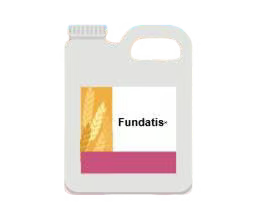
Fundatis® herbicide
powered by Isoflex® active


Powered by Isoflex® active - proven performance for winter cereals
Use rate of 1L/ha in a 5L can
Pre-emergence to early post-emergence in winter wheat, pre-emergence only in winter barley
Winter barley grassweed option where alternatives are already limited
Essential for resistance management programmes in cereal production systems
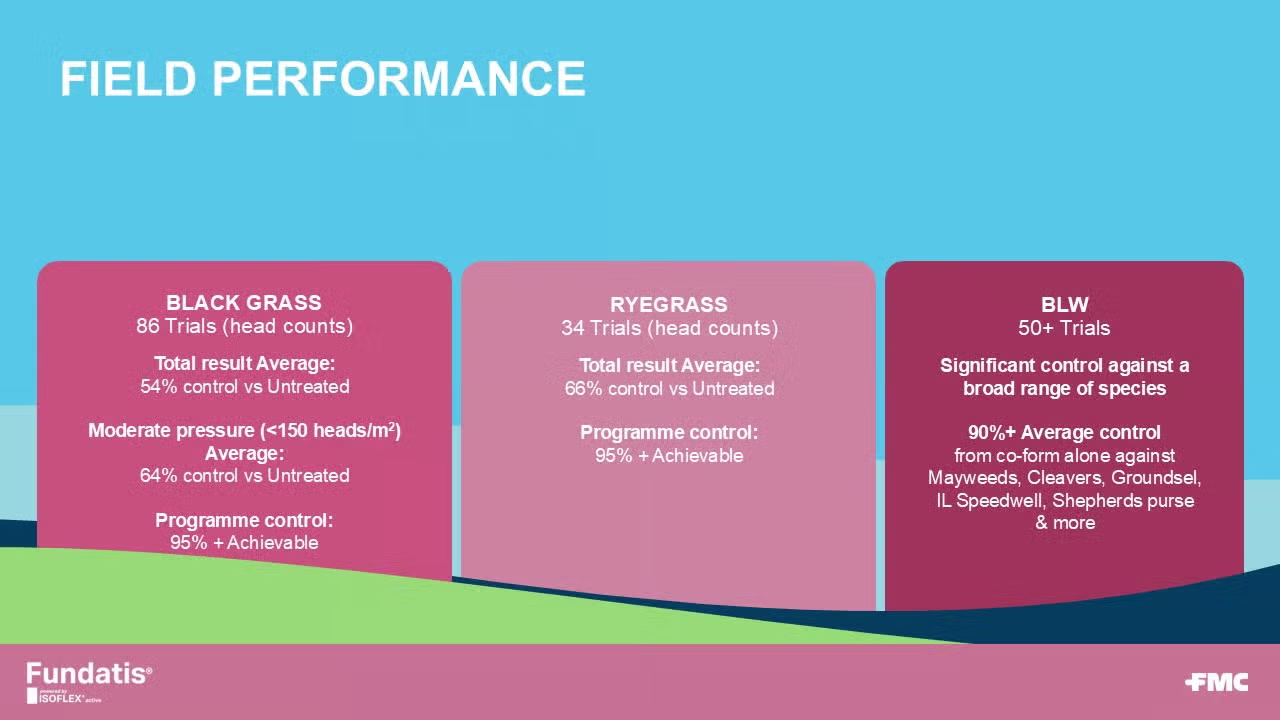
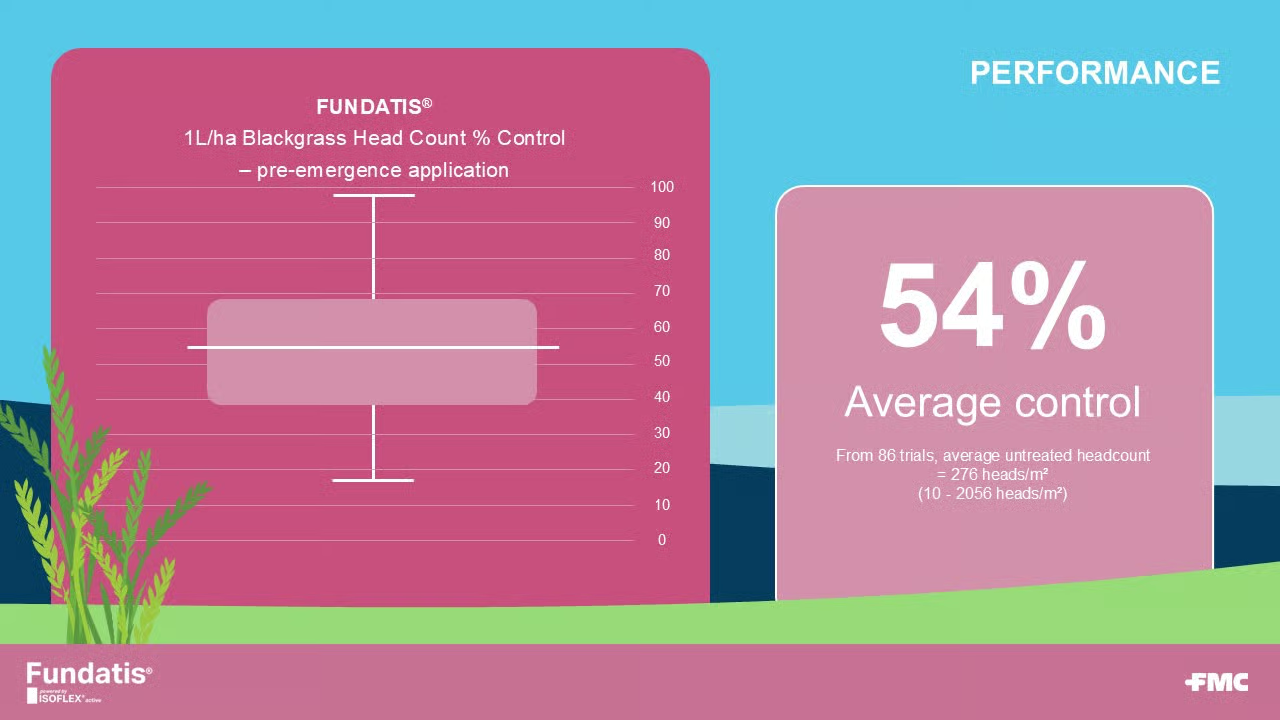
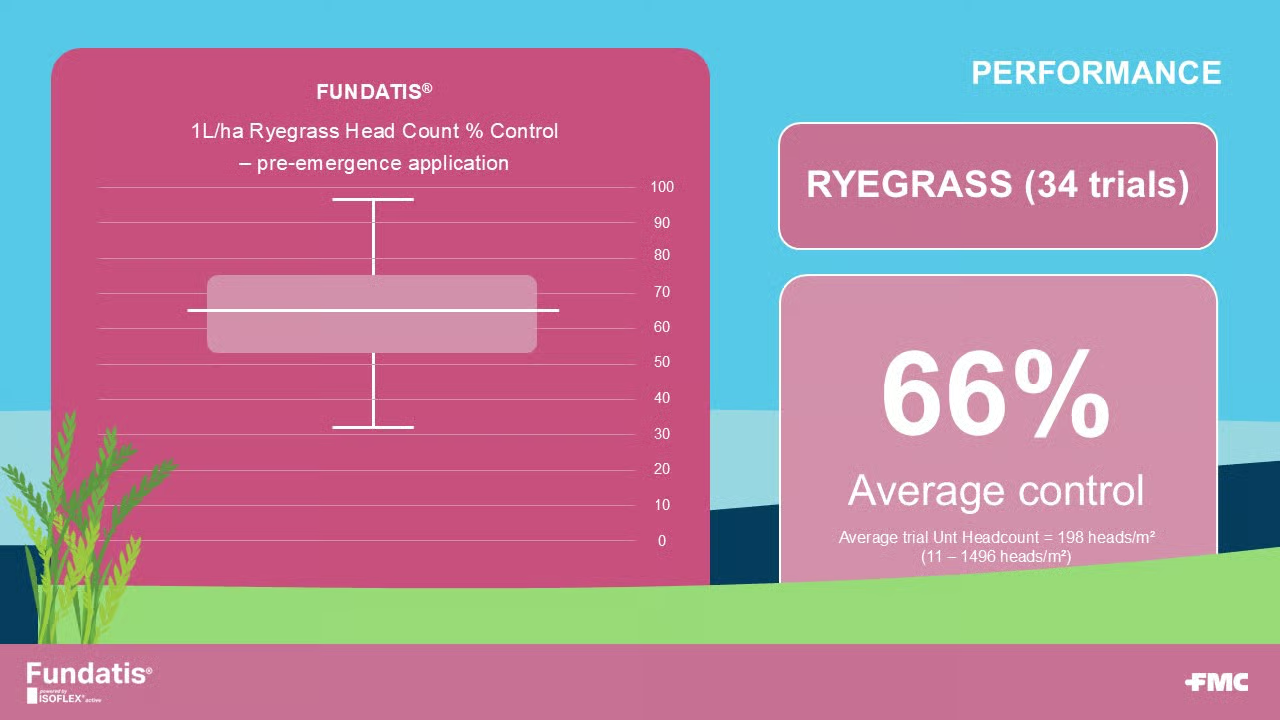
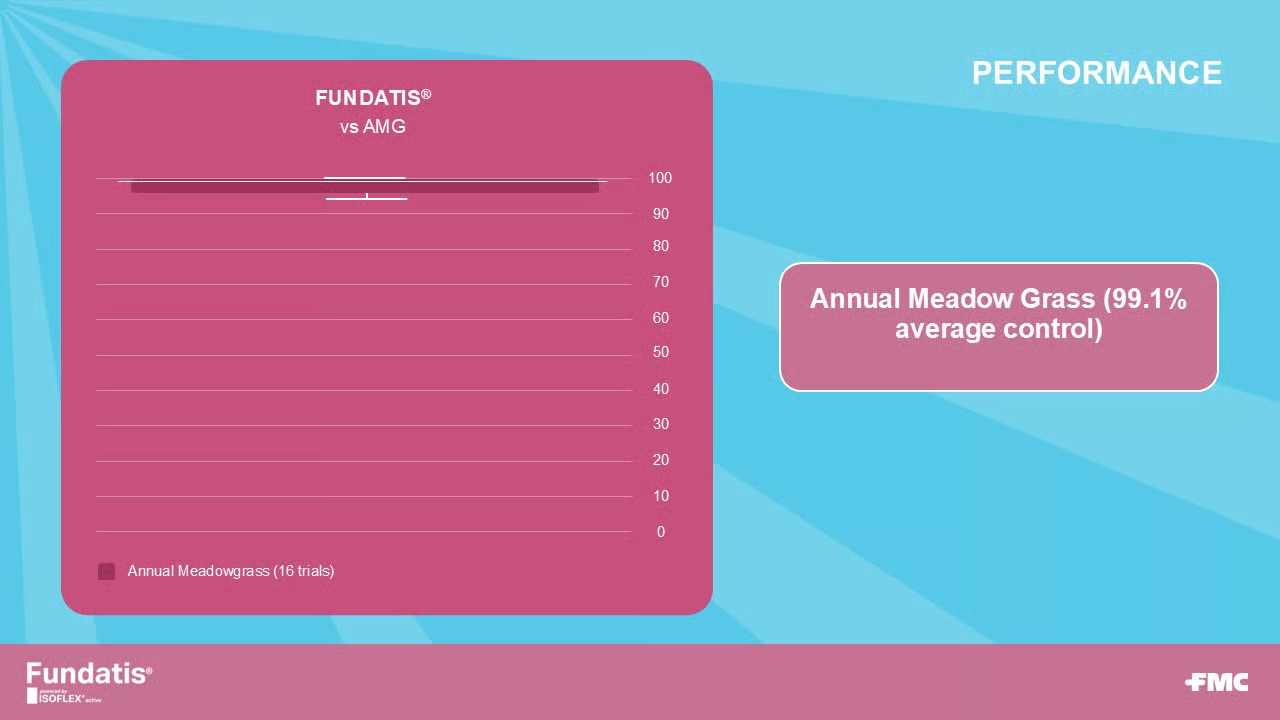
54% control of blackgrass, 66% control of ryegrass, 99% control of annual meadowgrass at 1L/ha
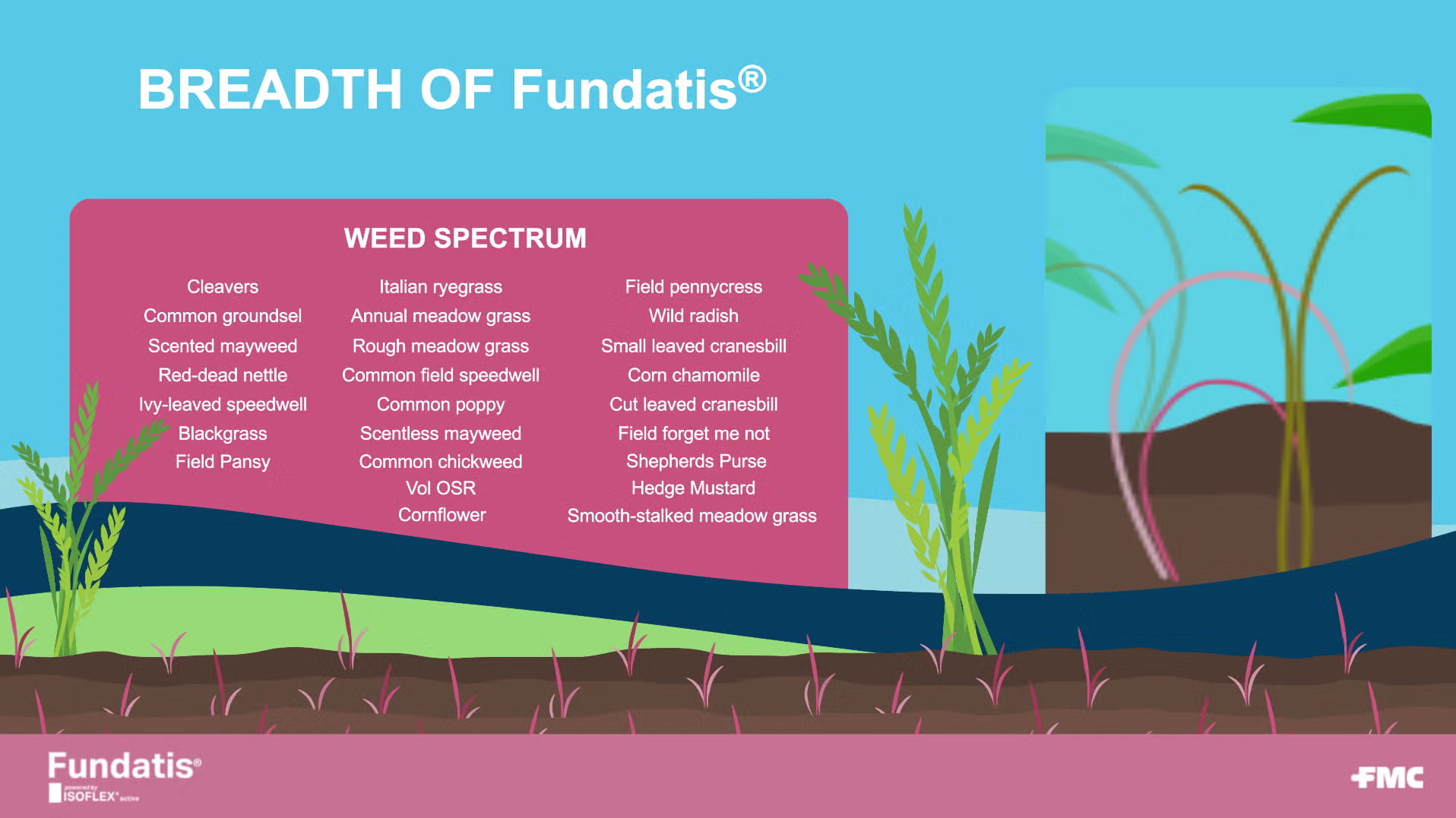
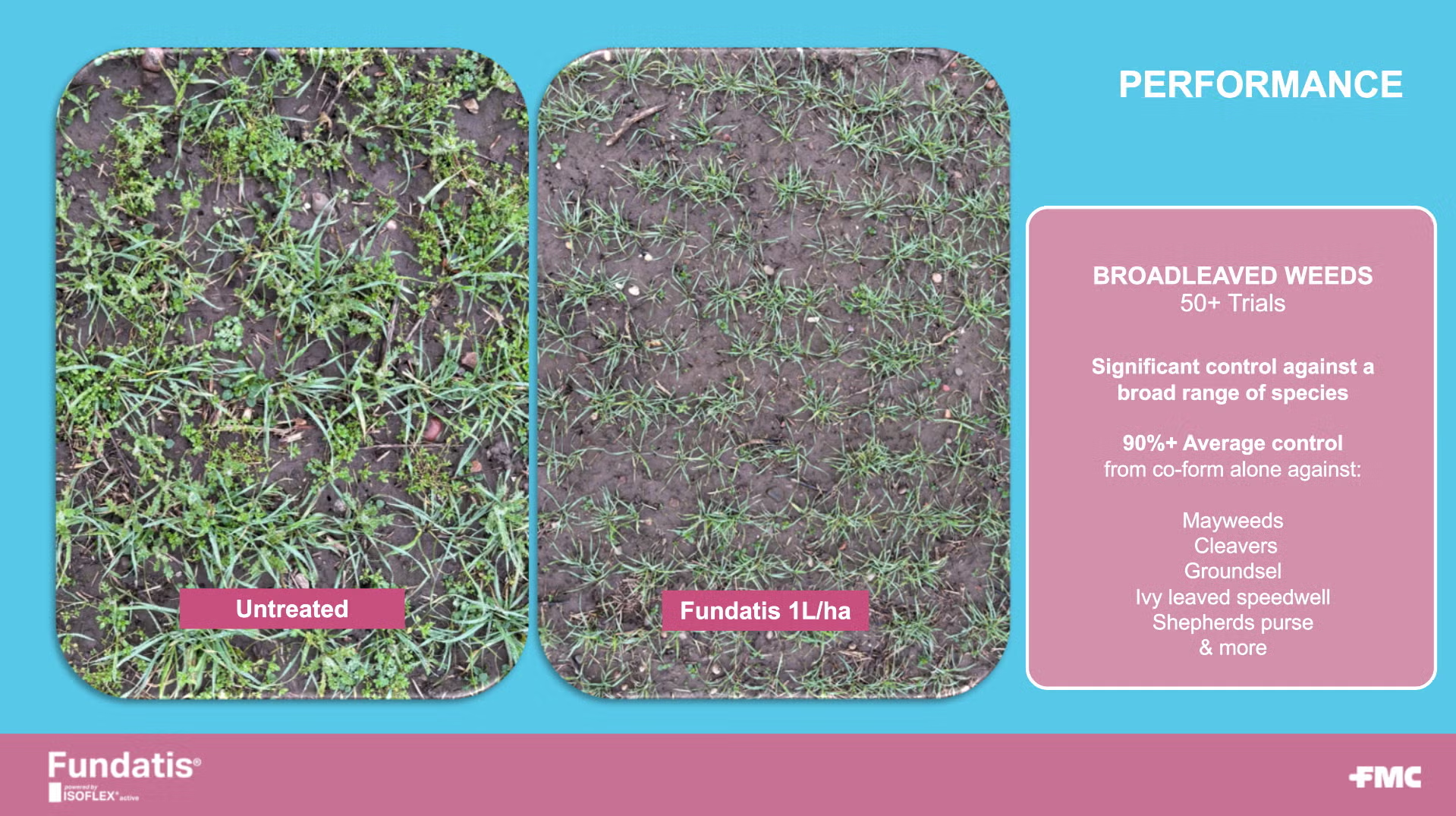
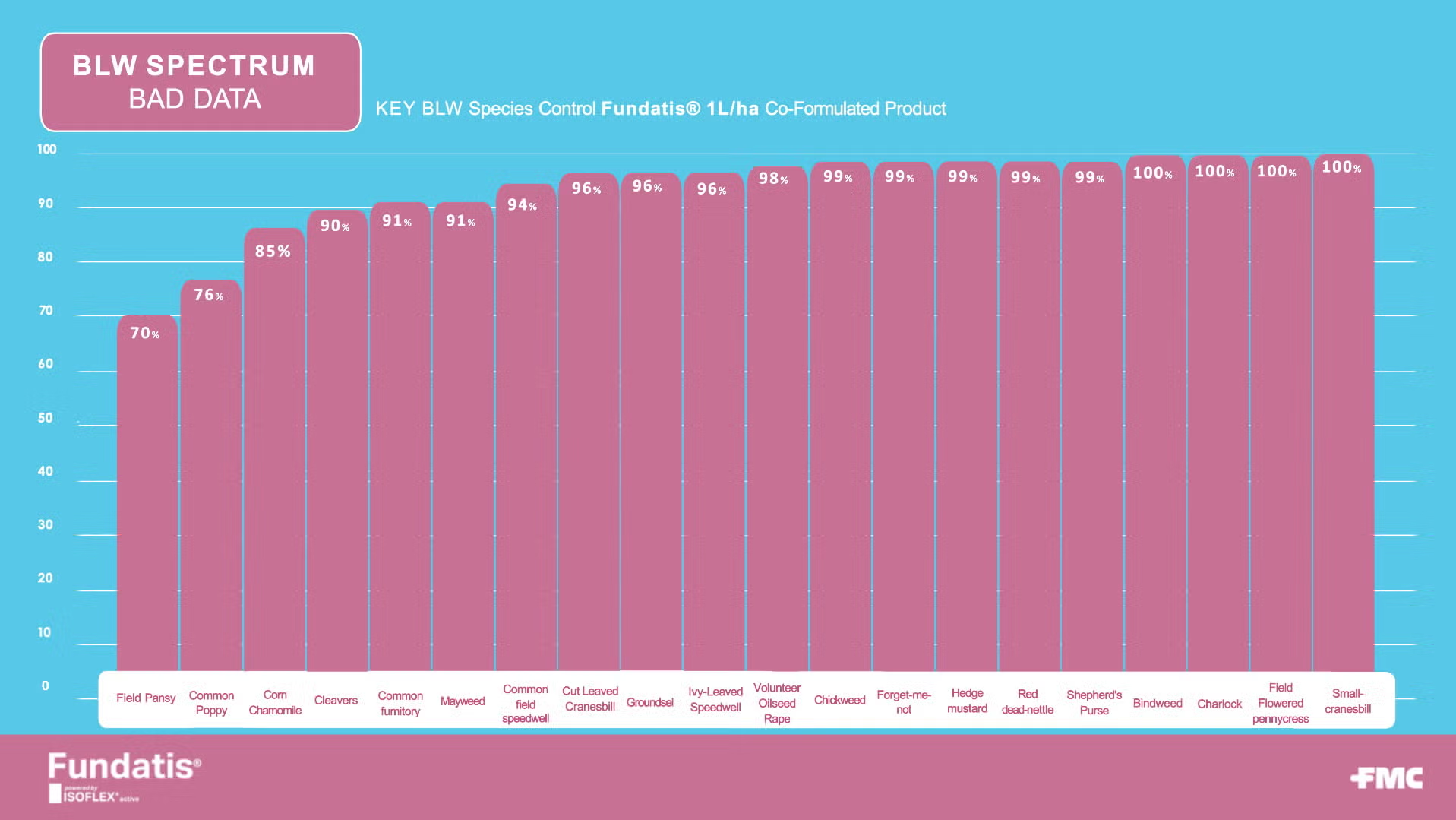
Excellent control of key species such as groundsel, cleavers, ivy-leaved speedwell, and red dead-nettle
Fundatis® is the new herbicide for cereal crops powered by Isoflex® active. Weed control is now in your hands.For more information Contact Nearest FMC Technical Representative
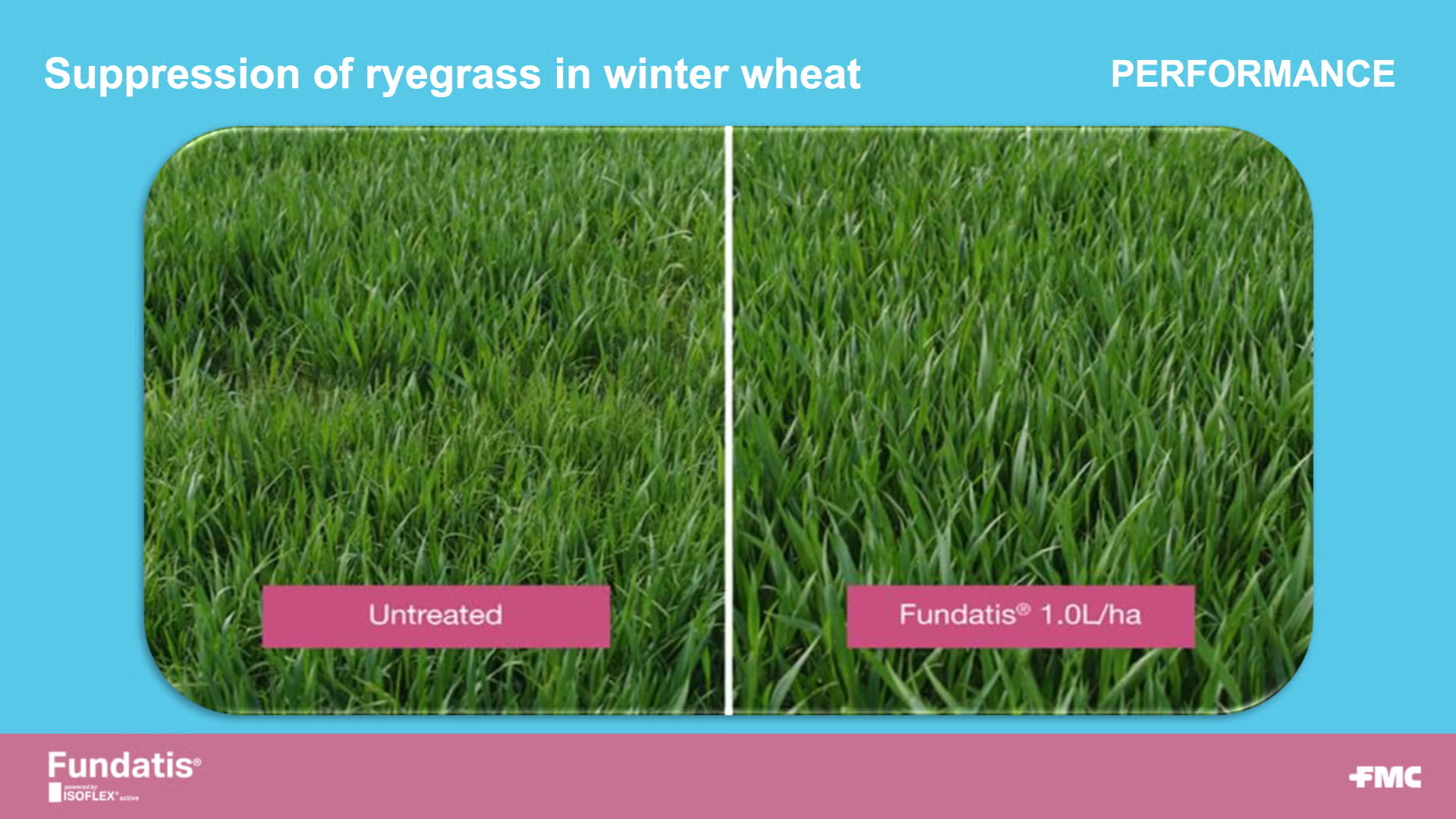
Fundatis® has been thoroughly tested in over 150 trials across a diverse range of situations including some of the most challenging blackgrass and ryegrass sites. A single solo application of Fundatis® delivered 54% average control against blackgrass, and 66% average control against ryegrass. When utilised in programme with other actives, Fundatis® can achieve > 97% population reducing control.
Get expert advice tailored to your farm's needs. Our Technical Representatives are ready to discuss Fundatis® applications, trial data, and how to maximize your weed control strategy.
The escalating spread of herbicide-resistant blackgrass and ryegrass in the UK is outpacing the effectiveness of current chemistry, leaving farmers without reliable tools to protect cereal yield.
Fundatis® Herbicide, powered by Isoflex® active, has activity against key grassweeds such as blackgrass, ryegrass, and annual meadow grass, and strong activity on a wide range of broadleaved weeds.
Fundatis® herbicide brings two new active ingredients and one new mode of action to the cereal herbicide market. Use of new chemistry, alongside existing products of differing modes of action can contribute to an effective resistance management strategy.
Yes, following extensive field trials and testing we are confident in Fundatis® herbicide's ability to be very flexible and easily tank-mixed or sequenced with other approved products, making it a key component of integrated weed management.
Blackgrass has become one of the UK's most troublesome arable weeds, capable of causing serious yield losses of up to 70% in winter wheat when infestations get out of control.
Effective management requires a multiyear, integrated strategy that reduces seed return, prevents resistance buildup, and combines cultural, mechanical, and chemical controls.
It has developed widespread resistance to major herbicide groups, including those targeting ACCase and ALS. This resistance comes from both target-site mutations and enhanced metabolic pathways, meaning many treatments no longer deliver the level of control they once did and chemical options are increasingly unreliable.
Around 80% of blackgrass emerges in the autumn, coinciding directly with the drilling and establishment of winter cereals; this allows populations to build quickly in rotations dominated by winter crops, making reliable autumn control essential.
Blackgrass seed can survive in the soil for up to five years, though the seedbank naturally declines each year. This persistence means that even one season of poor control can rebuild the seedbank and create long-term problems across multiple rotations.
The level of control required annually to keep populations stable is extremely high. Greater than 95% control is required to keep populations in check, anything less allows numbers to increase rapidly, and in some cases, populations can expand more than tenfold in a single season if seed return is not prevented.
Ryegrass has rapidly become one of the UK's most challenging grassweeds, it is highly competitive in cereal crops with early emerging plants producing large biomass and seed return.
Effective management requires a long term and integrated approach that focuses on reducing seed return, preventing resistance development, and combining cultural, mechanical, and chemical strategies.
It has developed multiple resistance mechanisms, including target site resistance to key herbicide groups and enhanced metabolic resistance, both of which significantly reduce herbicide performance.
The UK now has confirmed cases of glyphosate resistant ryegrass, with additional populations showing reduced sensitivity in multiple regions which makes reliable control even harder.
It has an exceptionally long germination window, emerging from late summer through to the following June, making it difficult to target with a single control timing.
Early flushes produce up to 20 times more seed than later flushes, rapidly increasing population pressure if not controlled.
Discover how Fundatis® herbicide powered by Isoflex® active can help protect your cereal yields
FMC's UK Farmer Group - See Fundatis® in Action. Join leading growers who are already experiencing superior weed control in winter cereals. We are proud to have some of the country's most forward-thinking farmers working with us to help develop innovative solutions to protect their crops and optimise yields. To find out more about how they have got on with Fundatis® herbicide on farm, click on the farmer pages below.
 Meet the Fundatis® Herbicide, powered by Isoflex® active Grower Group: Andy Meecham
Andy Meecham of St Giles Farms in Wimborne runs a 1,130-hectare arable farm predominately growing; winter wheat, winter and spring barley, winter oilseed rape (OSR), peas, naked oats, beans and cover crops.
 Meet the Fundatis® Herbicide, powered by Isoflex® active Grower Group: David Jones
David Jones farm manager of Morley Farms in South Norfolk. The farm is owned by The Morley Agricultural Foundation which is a Charity that funds and facilitates agricultural research and education.
 Meet the Fundatis® Herbicide, powered by Isoflex® active Grower Group: Mike Jones
Mike Jones runs four farms across West Cheshire alongside a contracting business.The farms have a variety of soil types from sand to heavy clay and have been minimum tillage operated systems for over 20 years.
 Meet the Fundatis® Herbicide, powered by Isoflex® active Grower Group: Ollie Stobo
Ollie Stobo runs a 174ha arable farm near Woodstock in Oxfordshire, comprising of owned and tenanted land – with the farm having been in the Stobo family since 1921.
 Meet the Fundatis® Herbicide, powered by Isoflex® active Grower Group: Richard Ward
Richard Ward has been farm manager at Barton Farms in Gloucestershire for the past 29 years. The farm operates as a mixed enterprise, farming arable and red deer – supplying venison to Waitrose and M&S. The soil type is varied, including Warwickshire clay, Banbury iron stone and sand.
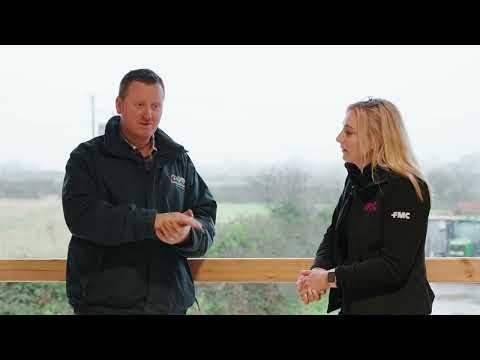 Meet the Fundatis® Herbicide, powered by Isoflex® active Grower Group: Pete Olds
Pete Olds' family has been farming at Cornhill Farm near Camborne, Cornwall, since 1912. Over that time, the farm has transitioned from a typical mixed farm to what operates today as a circular business – comprising arable, 17,000 free-range chickens and environmental stewardship.
 Meet the Fundatis® Herbicide, powered by Isoflex® active Grower Group: Mark Stubbs
Mark Stubbs runs his two family farms in Lincolnshire in partnership with his parents. One of the farms, which is close to the coast, consists of 110ha with a rotation of winter wheat, spring barley and one year legume fallow. The coastal farm has heavy clay spoils, which are prone to weed issues, while the second farm in the Wolds is mainly clay loam with chalk stone.
 Meet the Fundatis® Herbicide, powered by Isoflex® active Grower Group: Nigel and Margaret Lawrence
Nigel and Margaret Lawerence are tenant farmers and are responsible for the day-to day running of their 485-hectare farm, which comprises of 300Ha of arable land alongside grassland and woodland.
For more information on Fundatis® herbicide, powered by Isoflex® active, ahead of the season, contact our Commerical Technical Team or speak to your agronomist

Trusted by 1,000+ cereal growers

Fundatis® herbicide powered by Isoflex® active represents the next generation of for winter wheat and winter barley. Powered by Isoflex® active ingredient (bixlozone), this innovative cereal herbicide delivers excellent efficacy against the most challenging grassweeds and broadleaf weeds in modern UK agriculture.
Isoflex® active provides growers with a novel mode of action that targets problematic grassweed species including Alopecurus myosuroides (blackgrass), Lolium species (ryegrass), and Poa annua (annual meadow-grass), while also managing key broadleaf weeds such as Stellaria media (chickweed), Galium aparine (cleavers), and Veronica species. The Isoflex® active ingredient disrupts chlorophyll production in susceptible weeds, leading to visible bleaching and suppression of young grassweeds during the critical establishment period.
Isoflex® active (bixlozone) represents a breakthrough in grassweed control chemistry. This innovative active ingredient works by disrupting carotenoid biosynthesis, which prevents chlorophyll production in developing weed seedlings. The result is visible bleaching and rapid suppression of key target weeds including:
✓
✓
✓
✓
The unique chemistry of Isoflex® active provides an essential tool for managing herbicide-resistant blackgrass and ryegrass populations whilst maintaining crop yield potential in winter cereal production. Combined with beflubutamid in the Fundatis formulation, Isoflex® active creates a powerful dual-active herbicide that delivers consistent residual activity against the UK's most challenging grassweeds.
For agronomists and farm managers developing integrated weed management strategies for blackgrass and ryegrass control, Fundatis herbicide powered by Isoflex® active fits seamlessly into sustainable weed control programs.
Whether you're managing wheat herbicide applications targeting blackgrass or barley weed control programs for ryegrass suppression, Fundatis with Isoflex® active delivers consistent performance across diverse soil types and weather conditions. Its pre-emergence activity powered by Isoflex® active ensures clean establishment by controlling emerging blackgrass and ryegrass flushes, while early post-emergence flexibility in winter wheat allows growers to optimise application timing based on field conditions and grassweed pressure.
Ready to experience superior weed control against blackgrass and ryegrass? to learn more about Fundatis herbicide powered by Isoflex® active, application rates for blackgrass and ryegrass control, and integration into your cereal weed management program. Join the growing number of UK growers who trust FMC agricultural solutions for their herbicide needs.
The escalating spread of herbicide-resistant blackgrass and ryegrass in the UK is outpacing the effectiveness of current chemistry, leaving farmers without reliable tools to protect cereal yield. As resistance continues to evolve across multiple herbicide groups, growers need new modes of action that can deliver consistent grassweed control season after season.
Fundatis® herbicide powered by Isoflex® active represents a critical addition to UK cereal weed management programs, offering growers a proven solution for controlling resistant weed populations while protecting winter wheat and winter barley establishment.
Blackgrass (Alopecurus myosuroides) has become one of the UK's most troublesome arable weeds, capable of causing serious yield losses of up to 70% in winter wheat when infestations get out of control. Effective management requires a multiyear, integrated strategy that reduces seed return, prevents resistance buildup, and combines cultural, mechanical, and chemical controls.
•
•
•
•
Ryegrass (Lolium species) has rapidly become one of the UK's most challenging grassweeds. It is highly competitive in cereal crops, with early emerging plants producing large biomass and seed return. Effective management requires a long-term and integrated approach that focuses on reducing seed return, preventing resistance development, and combining cultural, mechanical, and chemical strategies.
•
•
•
•
Fundatis® herbicide, powered by Isoflex® active, has activity against key grassweeds such as blackgrass, ryegrass, and annual meadow grass, and strong activity on a wide range of broadleaved weeds. This broad-spectrum performance makes it an essential tool for UK growers facing complex weed populations.
Fundatis® herbicide brings two new active ingredients and one new mode of action to the cereal herbicide market. Use of new chemistry, alongside existing products of differing modes of action, can contribute to an effective resistance management strategy. This is critical as resistant weed populations continue to spread across UK arable land.
Yes. Following extensive field trials and testing, we are confident in Fundatis® herbicide's ability to be very flexible and easily tank-mixed or sequenced with other approved products, making it a key component of integrated weed management. This flexibility allows growers to build comprehensive programs that maximise control while managing resistance risk.
Fundatis® herbicide powered by Isoflex® active contains 200g/L Bixlozone and 125g/L Beflubutamid. Use Plant Protection products safely, always read the label and product information before use. Unless otherwise indicated, trademarks with ® or ™ are trademarks of FMC.