Root-knot nematodes are an unseen soil pest that can cause major damage to vegetable crops right across Australia.
This pest is estimated to cause more than $54 million in losses annually1 in Australia due to reduction in both the yield and quality of many vegetable crops.
For FMC’s Technical Services Manager, Hugh Armstrong, that combination of a soil pest that is invisible to the naked eye and the very obvious crop effects is part of what makes root-knot nematodes such a challenging production issue.
“They’re a microscopic, round worm, and they will actually penetrate the developing root system of the crop,” Mr Armstrong said.
Once inside the root system, nematodes interfere directly with the crop’s ability to develop and perform.
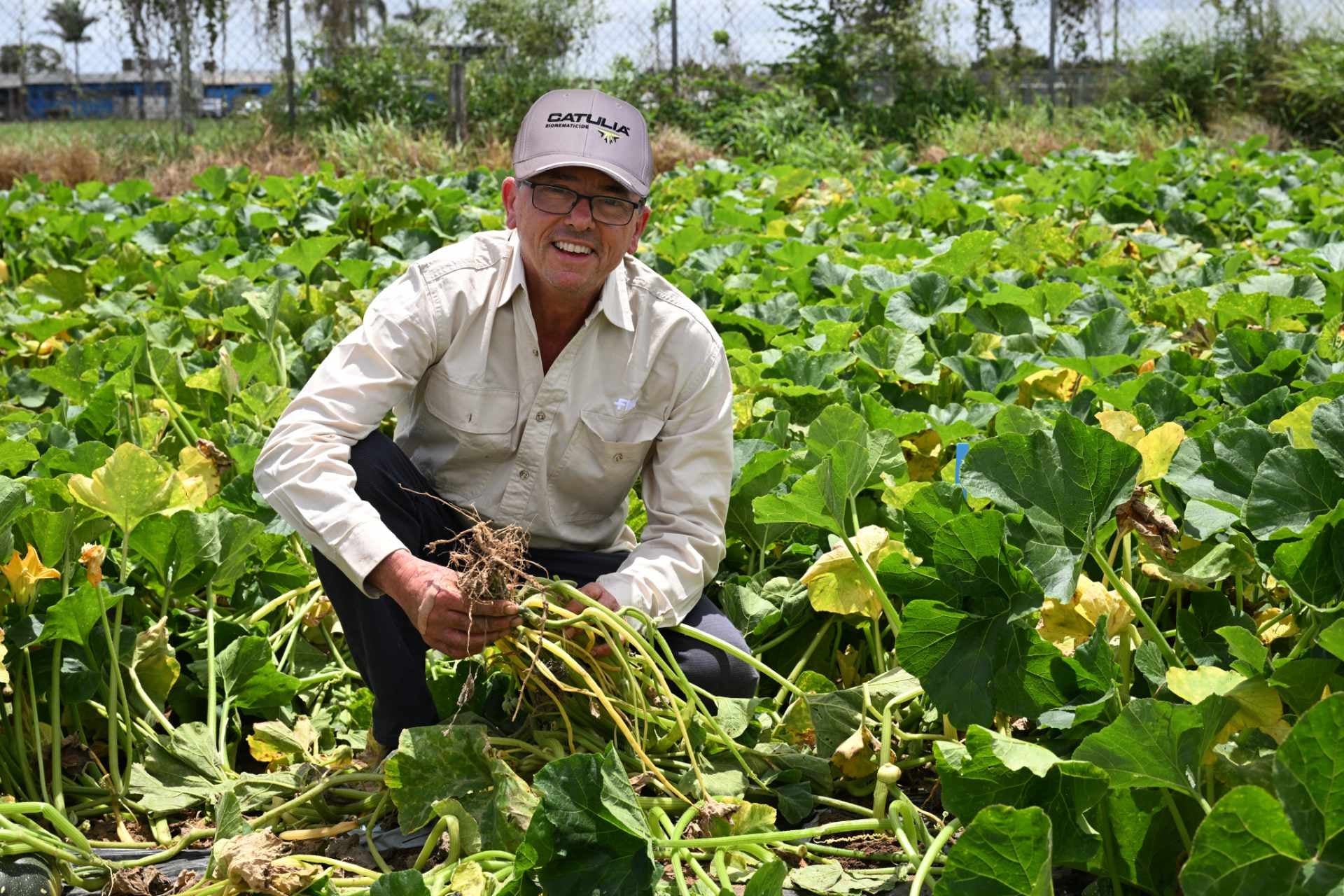
“They will drag nutrients away from the crop, restrict the capacity of the plant to transfer moisture and they will also form galls on the actual roots,” he said.
The impact can be devastating with up to 77% yield loss depending on the level of the root-knot nematode infestation. Aboveground symptoms include stunting, suppressed shoot growth, nutritional deficiencies (chlorosis) and temporary wilting during mild water stress. Root symptoms include galling and reduced root branching.
“Crops that are particularly susceptible are tuber and root crops, like sweet potato and carrots, potatoes, solanaceous crops like capsicum and tomato, and cucurbits, like pumpkins, melons and cucumbers.”
The fact that one single female root-knot nematode can lay up to 2,000 eggs and the lifecycle spans 4-6 weeks with multiple generations per growing season explains that the management approach is key to keep the nematode population down.
In root crops, galling can directly reduce the quality and marketability of produce. Across other susceptible crops, nematode feeding and root damage can reduce crop vigour and overall plant health.
The challenge for growers is compounded by the fact that nematode management cannot generally be reduced to a single option or tactic.
“People who have been dealing with nematodes over the years know that there’s not one single silver bullet for the management,” Mr Armstrong said.
Instead, he said growers need to consider a combination of management tools, including crop rotation, genetics and overall soil health alongside nematicide treatments.
It is against that background that FMC has been developing Catulia®, a biological nematicide designed to provide growers with another option for managing root-knot nematodes.
The product is based on two specific bacterial strains which were isolated from soils in the USA. Since then, the product has been tested and refined internationally for over a decade with FMC having now completed five years of development work here in Australia.
Importantly, FMC deliberately sought out high pest pressure conditions for the Australian trial program.
“We wanted to test the product under high nematode pressure, but also where growers are needing new options for nematode management,” Mr Armstrong said.
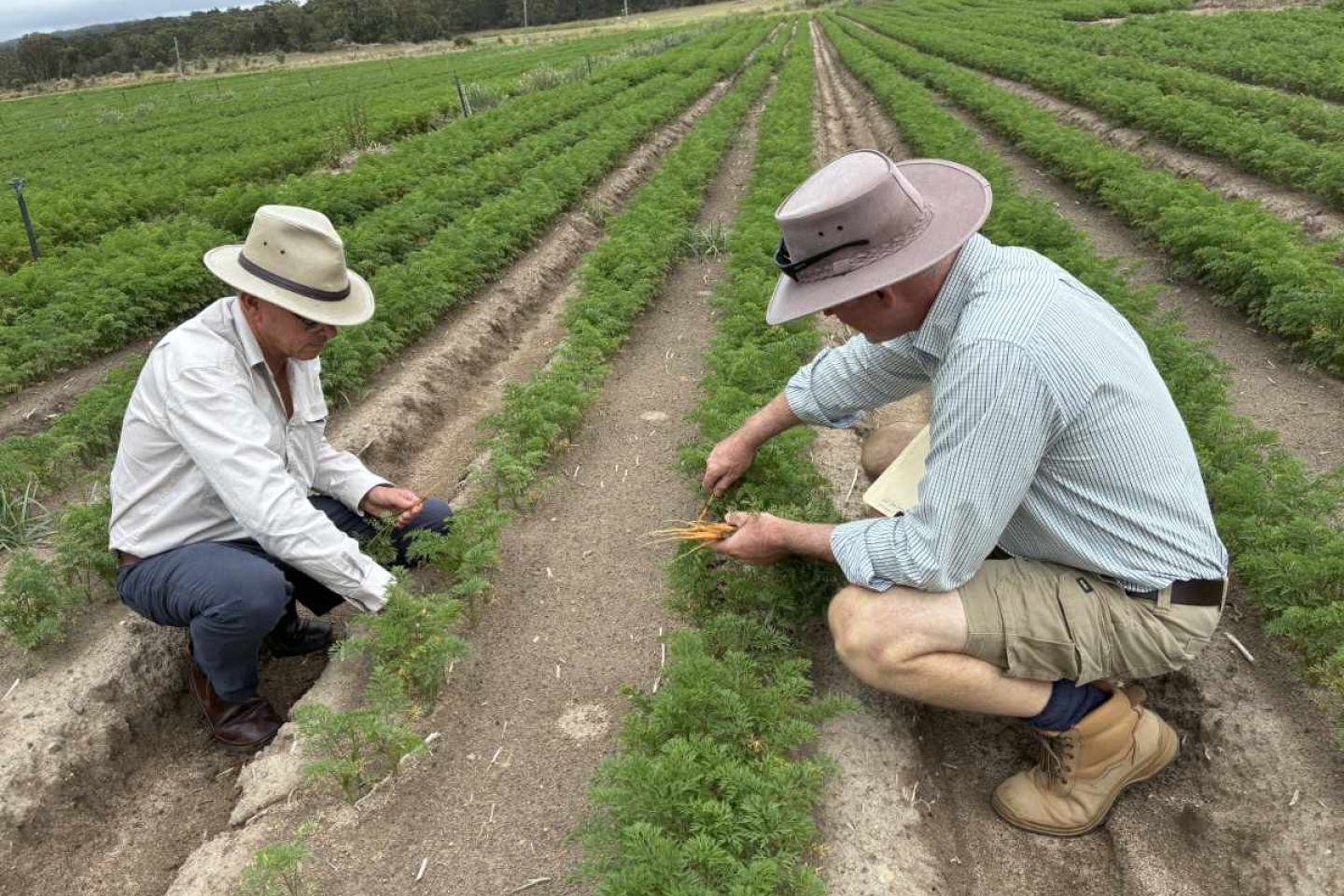
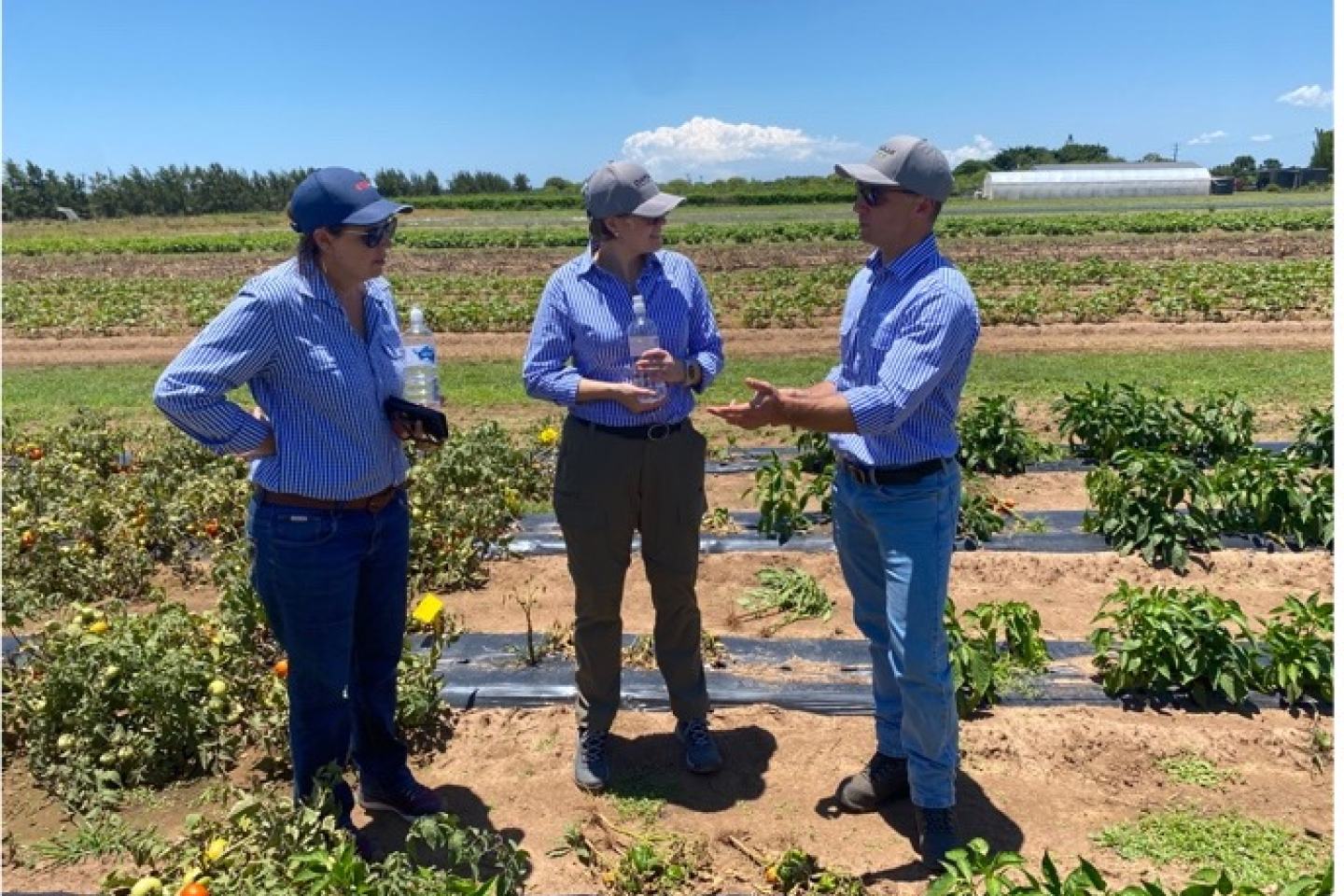
Much of that work has taken place around Bundaberg and southeast Queensland, combined with trials in South Australia, Tasmania, Western Australia and Victoria.
Mr Armstrong said results from many years of trials have demonstrated the real potential for a biological approach to sit alongside existing nematode management tactics. It can also be used to replace older approaches which are being phased out through regulatory changes or other considerations.
Under high nematode pressure, FMC has commonly observed reductions in root galling compared with untreated crops, with reductions around the same level as those achieved by many existing synthetic nematicides.
Mr Armstrong said a biological solution also offers some practical advantages for growers, including an exemption from MRLs and no plant-back restrictions associated with crop rotation, providing greater flexibility within existing vegetable production systems.
“The mode of action is unique. The active ingredient in Catulia® colonizes the roots early in the crop’s establishment phase, developing a protective film, a barrier around the roots that restricts the level of infestation these nematodes can achieve, including juvenile nematodes and eggs. There is also evidence that Catulia® activates the plant’s own defence mechanisms against nematodes, protecting the entire root system, encouraging plants to grow stronger and healthier.
FMC has trialled the product both alone and in combination with many current registered nematicide control solutions, while continuing to emphasise crop and paddock rotation, genetics and soil health.
There may also be a longer-term resistance-management benefit. Mr Armstrong said Catulia’s broad modes of action make the development of resistance by nematodes unlikely, potentially helping growers to extend the effective life of existing chemistry.
For an industry dealing with a pest that attacks where growers cannot readily see it, having another mode of action available could be significant.
The Australian trial program has confirmed within a nematode management program that Catulia® Bionematicide has the potential to become a new tool for protecting vulnerable root systems early, reducing galling and supporting crop performance – when combined with a range of cultural and chemical practices already utilised to keep root-knot nematodes in check.
Catulia® Bionematicide is not registered for sale or use in Australia. An application for registration is under review of the APVMA. No offer for sale, sale, or use of this product is permitted prior to issuance of the required APVMA registration.