Since 2020 FMC’s Catulia® Bionematicide has been thoroughly examined across Australia for its potential as a valuable addition to nematode management programs.
Researcher and agronomist Simon Organ, of Orchard Services, in Southeast QLD, said he had been involved in a range of Catulia® trials including work in carrots, tomatoes, capsicums and zucchini. Trials ranged from small plot replicated work to define rate and scope efficacy to larger comparisons in commercial fields comparing to the grower’s standard practice.
One particular trial in carrots was conducted on farm with a history of continuous carrot production and known root-knot nematode problems.
The site provided an opportunity to see how Catulia® would perform when subjected to commercial nematode pressure and included comparisons with other nematicide treatments.
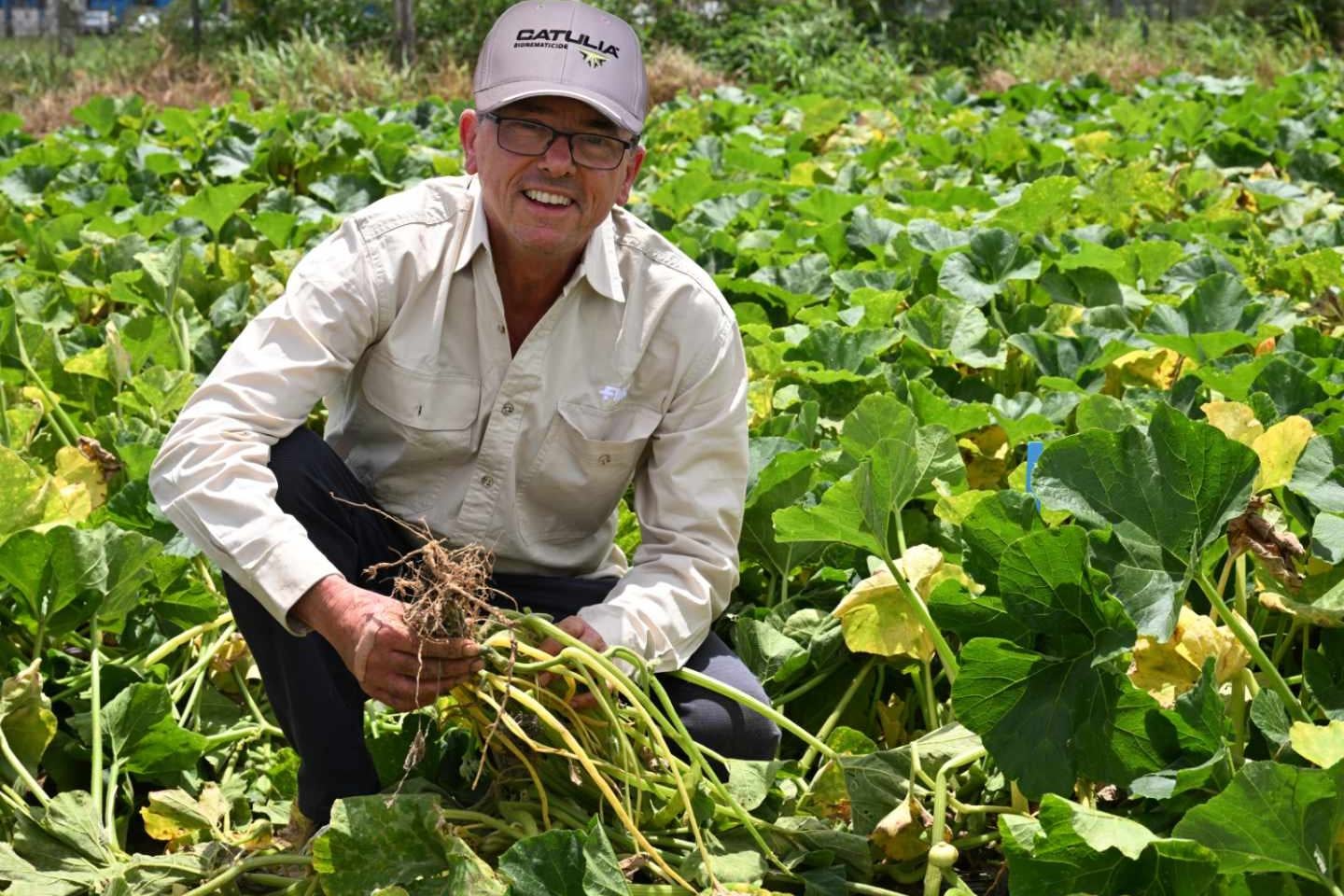
In the untreated plots, 72 per cent of carrots displayed root-knot nematode damage, including forking, stunting and galls.
Galling was evident on fine root hairs, which was an indication root knot nematode was likely to be responsible for some of the other symptoms.
Catulia® was applied twice, at one litre per hectare, and performed strongly. It was also evaluated in a program which included synthetic nematicides.
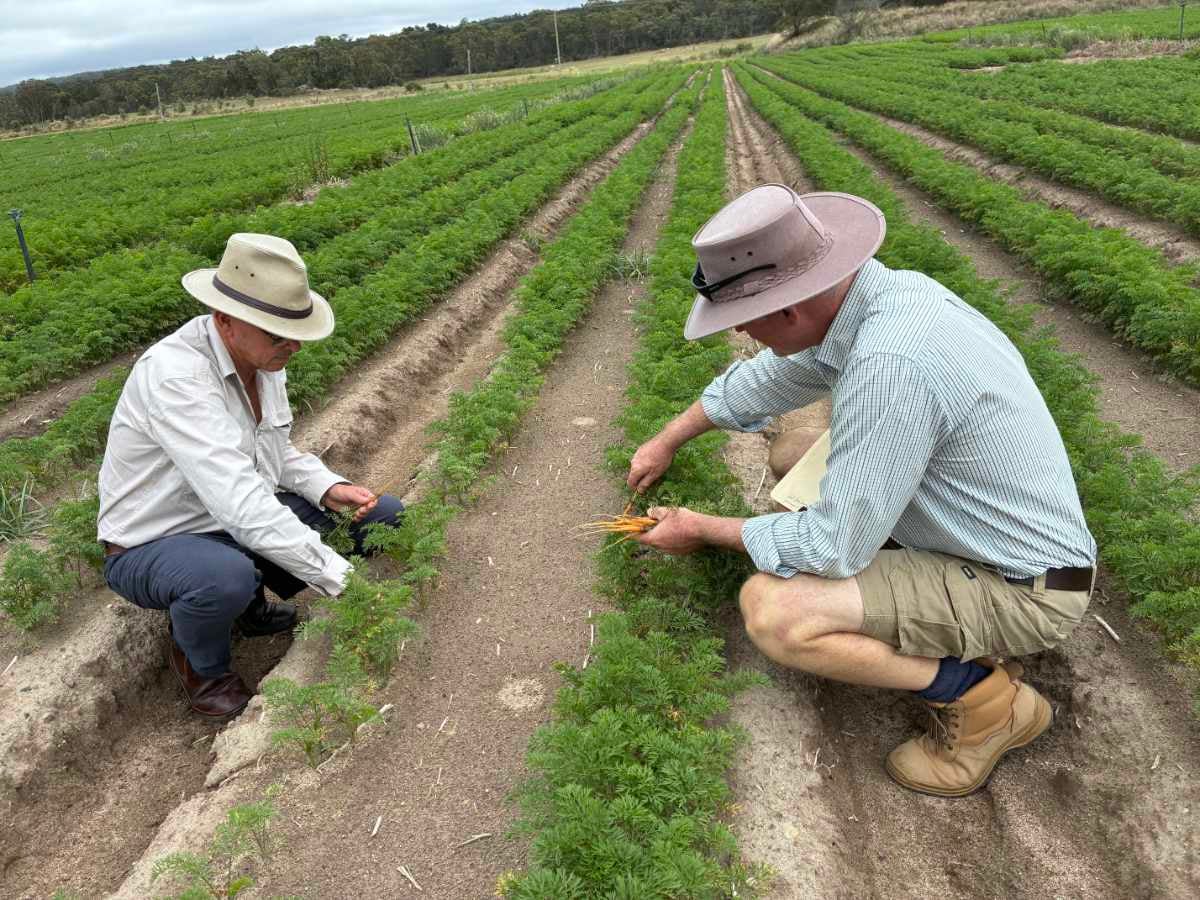
“Catulia® was equally as effective as the synthetic nematicides used as standards by the grower,” Mr Organ said.
He said growers in the Granite Belt region had become considerably better at managing nematodes and are trying to keep the populations low.
Rather than waiting until damaging populations have developed, growers increasingly use available management tools to prevent nematodes reaching levels where significant crop losses occur.
That potentially creates a strong fit for Catulia®.
“If you want to use something to stay on top of the nematode population, a product like Catulia® is going to be perfect.”
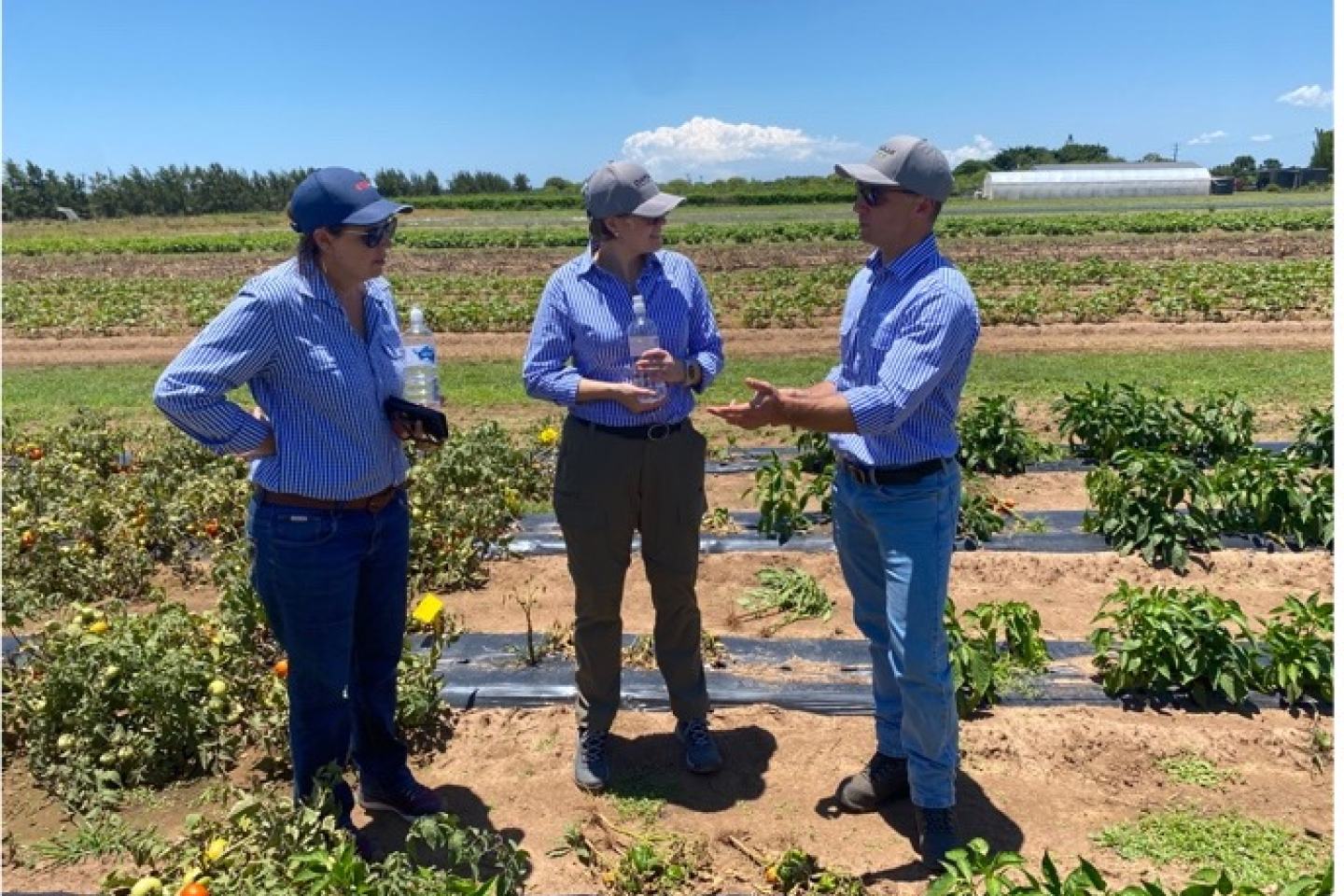
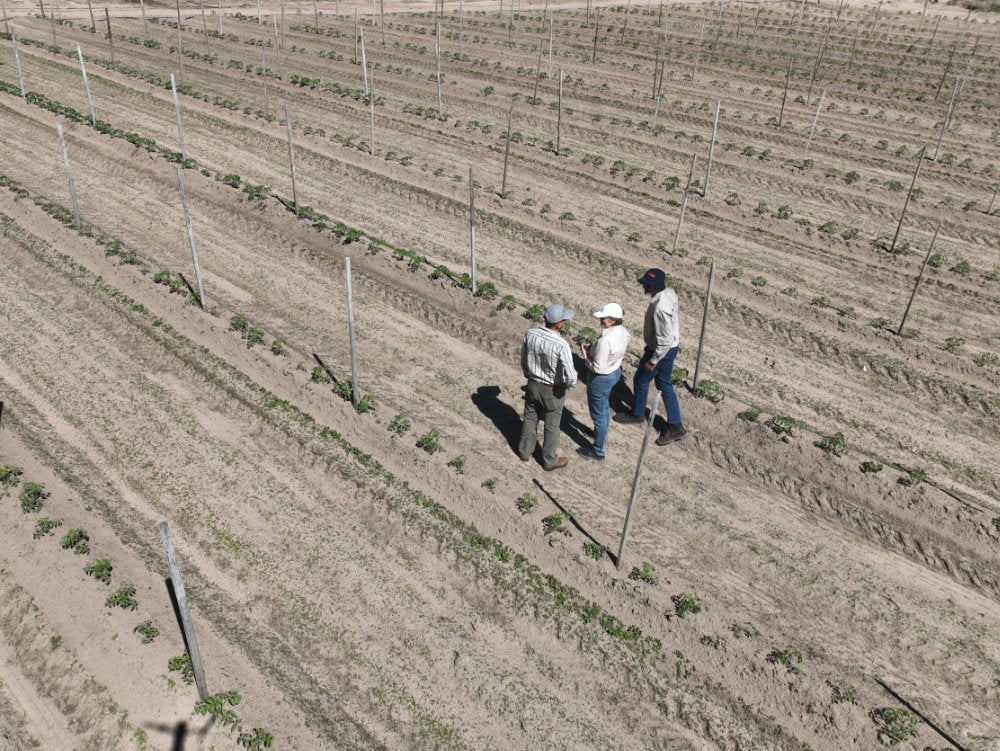
There was another interesting trial last season where a large-scale demonstration site in tomatoes showed low nematode numbers based on the soil analysis, despite having high pest pressure previously.
The Catulia®-treated area produced a seven per cent increase in harvested fruit weight and an eight per cent increase in fruit numbers compared with the untreated control. The roots did not reveal significant nematode damage however this yield improvement over numerous harvests from the same rows was measurable.
The rows were around 100 metres long, providing considerably more plants from which to assess yield than would normally be available in a small-plot research trial.
“That was interesting,” Mr Organ said. “When you're doing small plot trials and you're measuring yield, you can't pick up small differences as readily.”
Catulia® is a biological product which make it an interesting step away from traditional chemical-based nematicides.
Mr Organ said that when biological crop protection products first began appearing in agriculture, there was some scepticism. However, years of research have substantially changed that attitude.
He said with the increasing numbers of biological products supported by robust trial data, there was now clear evidence that well-researched biologicals have an important place in crop production. “The science is there now, and it's been proven.”
Catulia® will be introduced to Australian growers at a time when growers are increasingly comfortable discussing biological products and are placing greater emphasis on soil health.
Mr Organ said its combination of demonstrated nematicidal activity and favourable safety profile is likely to prove particularly important.
He sees human safety as a major advantage, together with the prospect of managing damaging nematodes without adversely affecting other components of soil health.
Ultimately, he expects Catulia® Bionematicide to become a tool growers can incorporate into their broader nematode management program rather than relying continually on one treatment approach.
“The efficacy, it's proven,” Simon said. “They've got enough trials now to show that it does work.”
With biological crop protection now much better understood and accepted than it was 10 or 15 years ago, he believes the timing is right for FMC.
“I think Catulia® will have a good fit, now and in the future,” Simon said. “It’s coming to market at a good time.”
Catulia® Bionematicide is not registered for sale or use in Australia. An application for registration is under review of the APVMA. No offer for sale, sale, or use of this product is permitted prior to issuance of the required APVMA registration. Any trial results or technical information presented do not imply APVMA registration or approved label claims.
FMC, the FMC logo and Catulia are registered trademarks of FMC Corporation and/or an affiliate. © 2026 FMC Corporation All Rights Reserved.