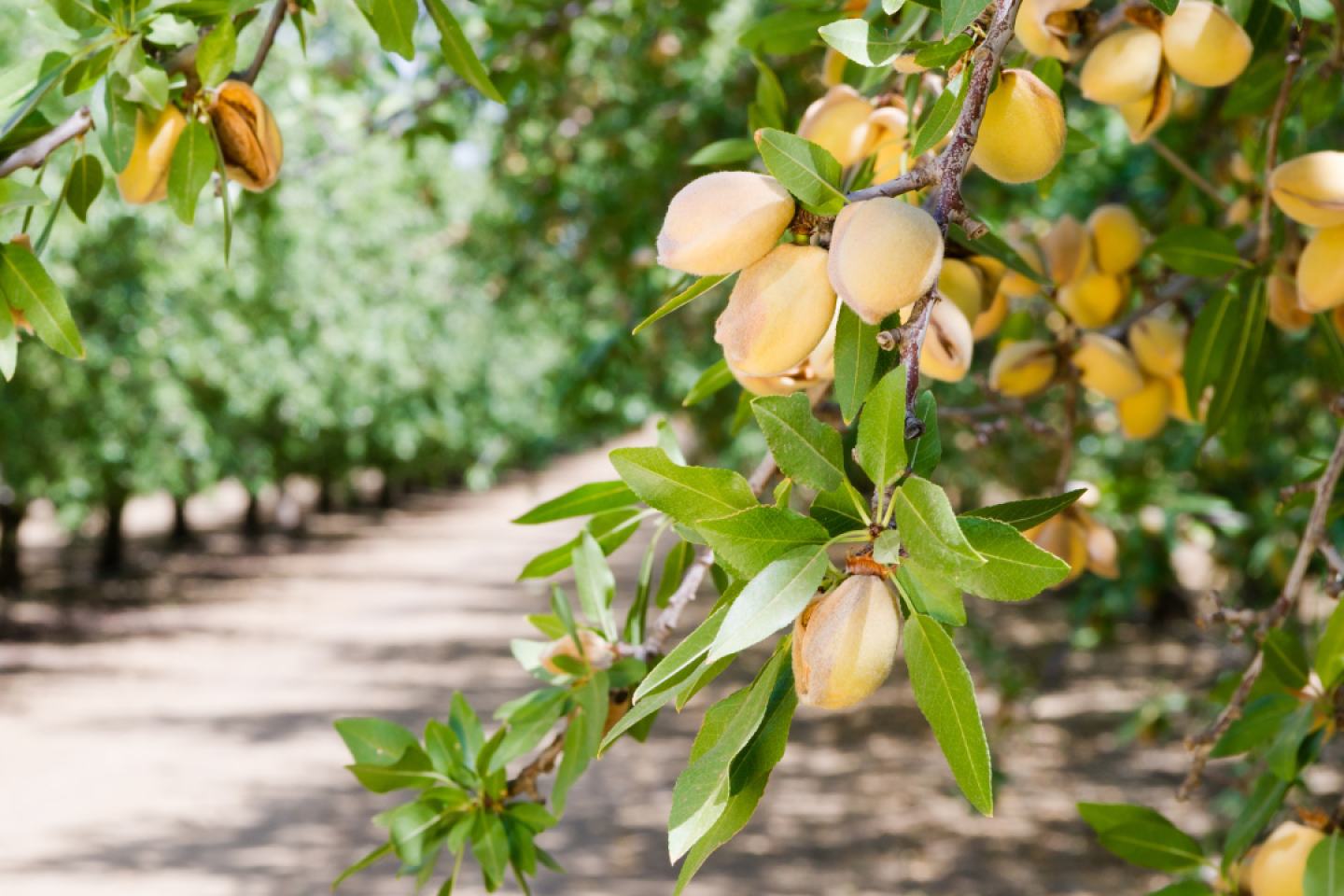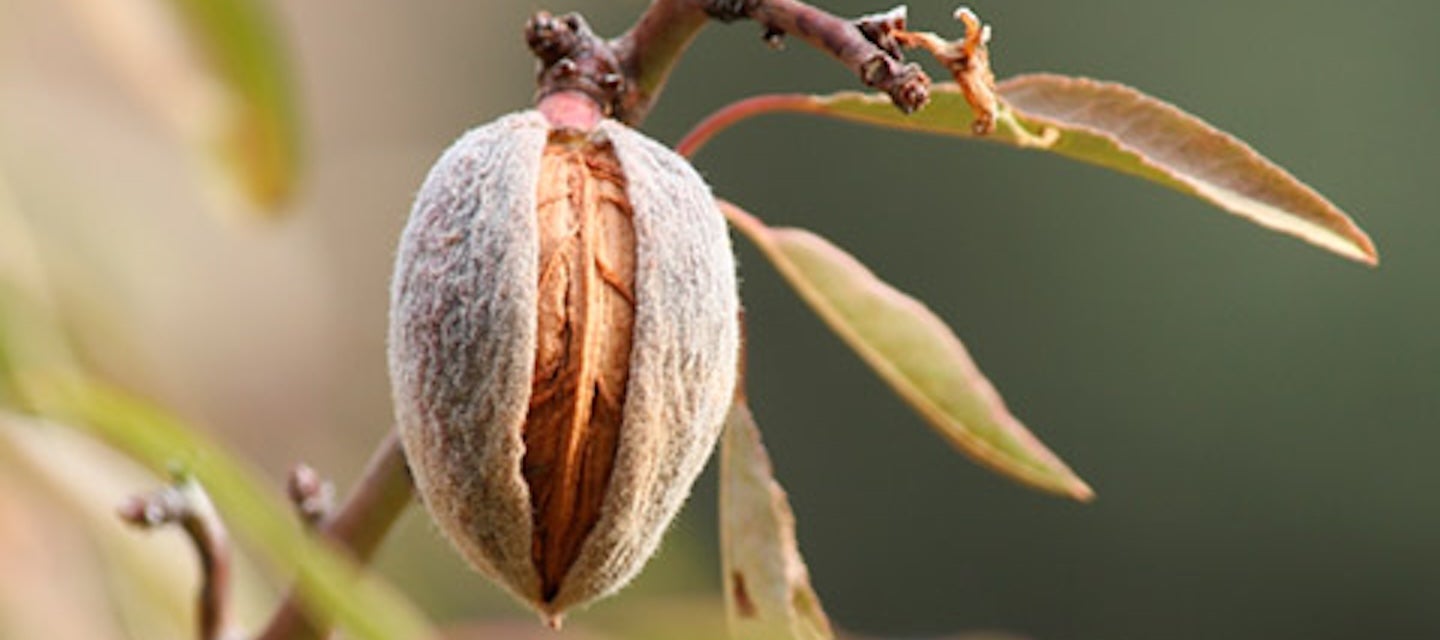
Navel orangeworm (NOW) remains pest number one for almond growers, and this year, it’ll be even more challenging. With tight margins projected for this season, it will be tempting to make cuts to NOW management programs. However, both field experience and data show that scaling back too far — or relying too heavily on a single tactic — can quickly turn short-term savings into costly losses at harvest.
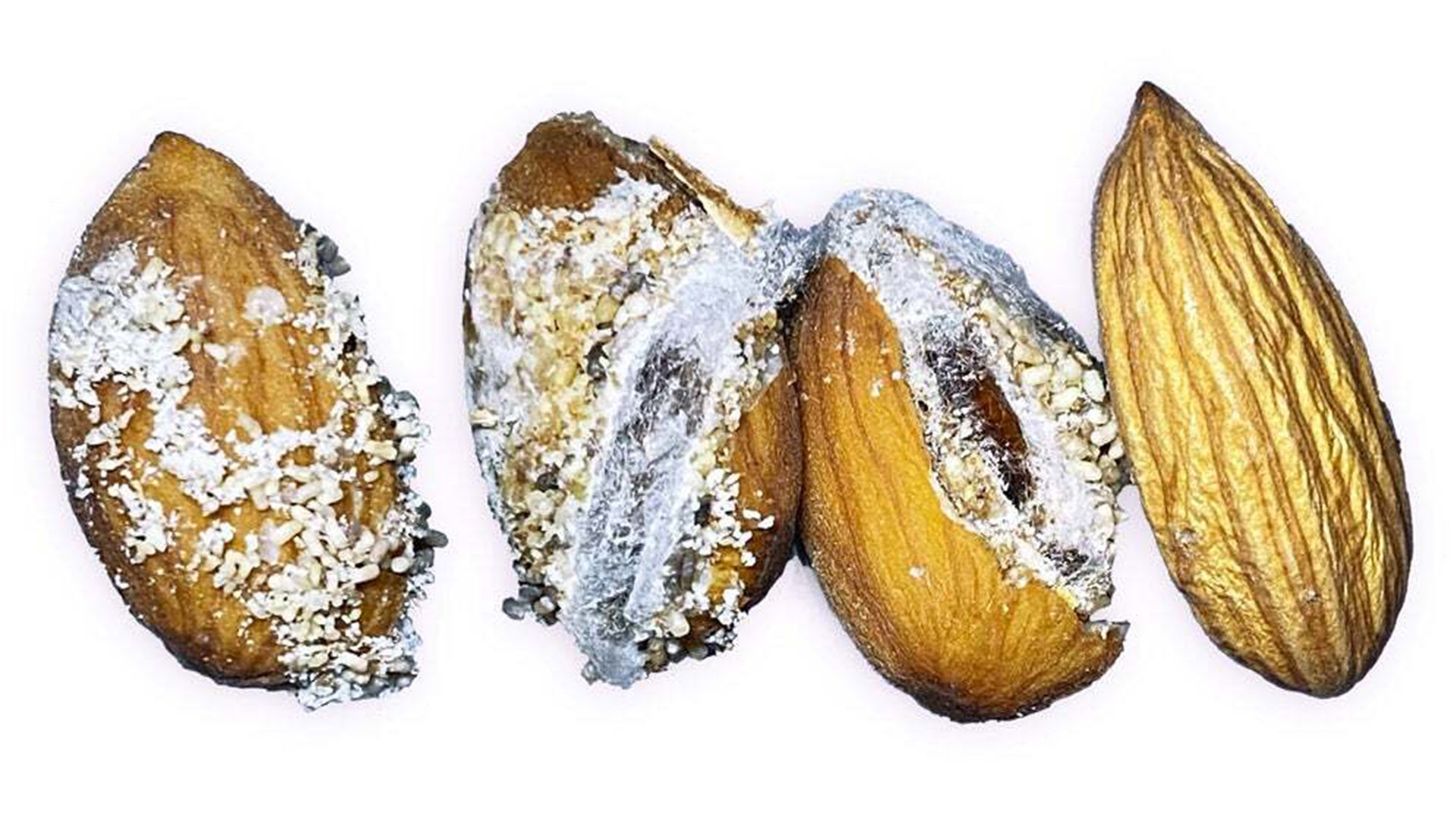
Effective NOW control requires a program approach, built on multiple tools working together throughout the season — from sanitation to reduce overwintering populations, to mating disrupters that limit reproduction under the right conditions. NOW is not a pest managed with a single tactic or pass through the orchard.
Why Standalone Tactics Fall Short
There is no silver bullet to NOW management. The pest’s biology makes it particularly difficult to control. Its lifecycle, high reproductive capacity and ability to exploit even small gaps in pest control mean any weakness in a program can lead to rapid population growth.
It’s important to recognize that reliable elements of NOW management, like sanitation and mating disruption, have their limitations. As the foundational step in NOW management, sanitation impacts the pest pressure growers will face in the coming season, but even well-executed sanitation is rarely perfect, and remaining mummies can still serve as a source for infestation. Mating disruption can add another layer of control and play a valuable role under the right orchard conditions by interfering with reproduction to suppress population growth. However, it does not eliminate NOW entirely, particularly under higher pressure conditions.
This is why insecticide applications remain a critical component of a comprehensive NOW program, while other practices support overall program success. Properly timed applications provide the most direct way to reduce active populations, especially during key periods of egg hatch and early larval development.
Delivering Control When Timing Matters Most
Avaunt® eVo insect control and Altacor® eVo insect control are designed to perform in the most critical in-season management windows, helping close the lapse in control gaps that NOW is known to exploit.
A spring application of Avaunt eVo insect control at 6.0 oz./A in late April to early May targets egg lay and hatching larvae, while an application of Altacor eVo insect control at 2.2 oz./A during early hull split followed by another one 10-14 days later help control NOW when almonds are most vulnerable. Together, they offer complementary strengths that fit well within a rotational program.
But program execution is just as important as strategy. Monitoring tools like pheromone traps, combined with close attention to crop phenology, provide insight into pest activity and crop vulnerability, allowing for more precise — and efficient — insecticide application timing.
With tight margins, every spray pass must deliver value. A mummy spray application of Avaunt eVo insect control aligns with the emergence of other key pests found in the orchard. During this window, leaf-footed plant bugs begin feeding on the new nuts, Carpophilus beetles emerge from the ground and NOW moths continue to lay eggs on mummy nuts. One well-timed application can defend against multiple threats and reduce the need for additional interventions, improving efficiency and overall orchard protection.
When almond prices are suppressed, every pound matters. Protecting yield and quality is essential to maintaining profitability, and that starts with a disciplined, multi-tool approach to NOW management. Cutting back on NOW control may reduce upfront costs, but the risk of increased damage can far outweigh the savings. A complete program — built on sanitation, monitoring and proven insecticide solutions like Avaunt eVo insect control and Altacor eVo insect control — remains the most effective way to protect yield and profitability.
Learn more at shieldyouryield.com.
The EPA label for Avaunt eVo insect control contains the following statements: This product is highly toxic to bees exposed to direct treatment on blooming crops or weeds. Do not apply this product or allow it to drift to blooming crops or weeds if bees are foraging the treatment area.
Always read and follow all label directions, precautions and restrictions for use. Some products may not be registered for sale or use in all states. FMC, the FMC logo, Altacor and Avaunt are trademarks of FMC Corporation or an affiliate. ©2026 FMC Corporation. All rights reserved. 26-FMC-0775 03/26