Catulia® Bionematicide is not registered for sale or use in Australia. An application for registration is under review of the APVMA. No offer for sale, sale, or use of this product is permitted prior to issuance of the required APVMA registration. Any trial results or technical information presented do not imply APVMA registration or approved label claims.
Root-knot nematodes remain one of the most damaging soil pests for many vegetable crops, reducing plant vigour, yield and marketability. But field trials across Australia are showing encouraging results from a new biological approach to nematode management.
Hugh Armstrong has been closely involved in developing and evaluating the biological nematicide Catulia®, with trials in Australia building on more than a decade of international research.
"Overseas work on this biological has been going for around 10 years, and we've now been working with it in Australia for about five years," Hugh says.
"Our focus has been to test the product under high nematode pressure, where we know the problem is significant for growers."
Testing under high-pressure nematode environments
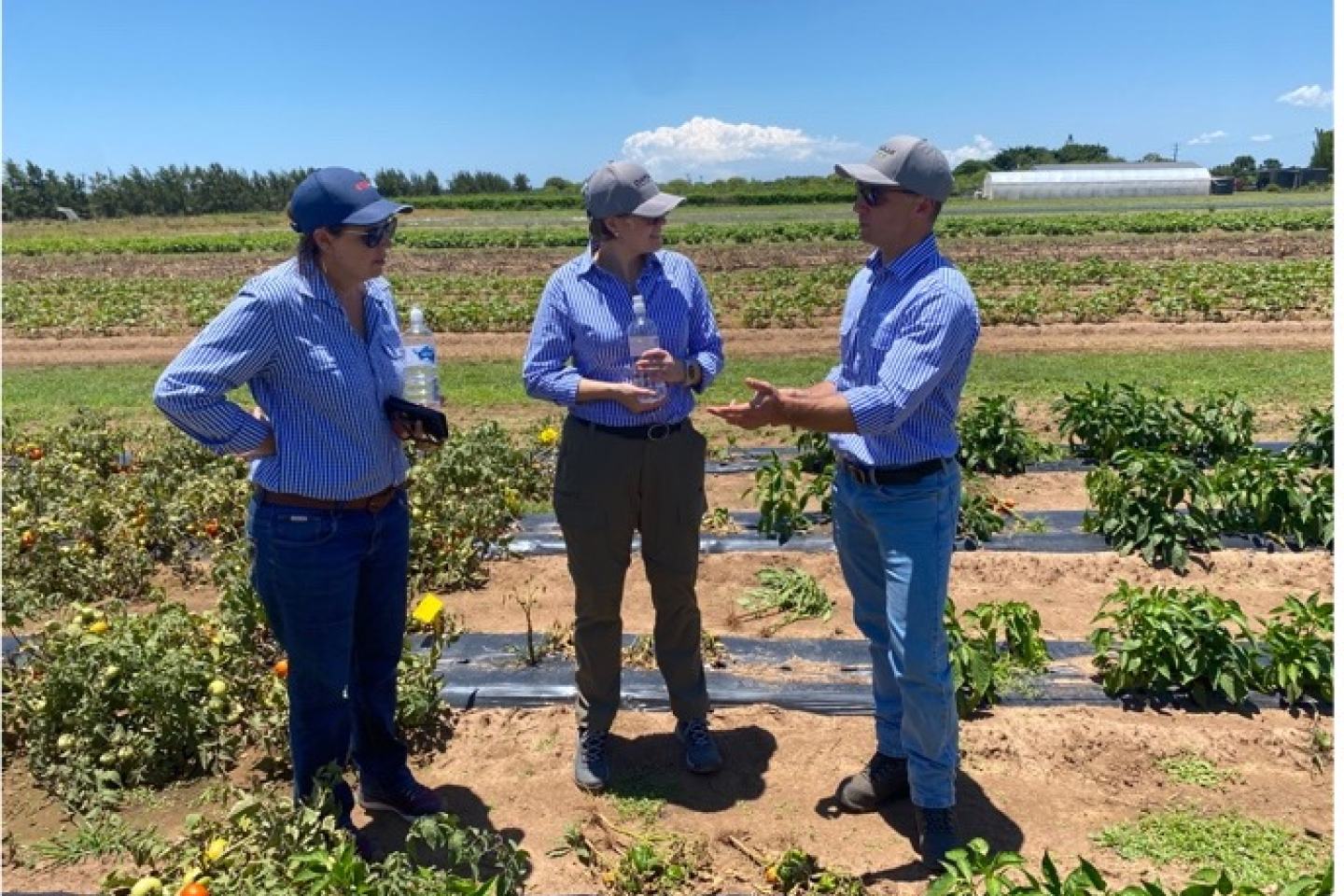
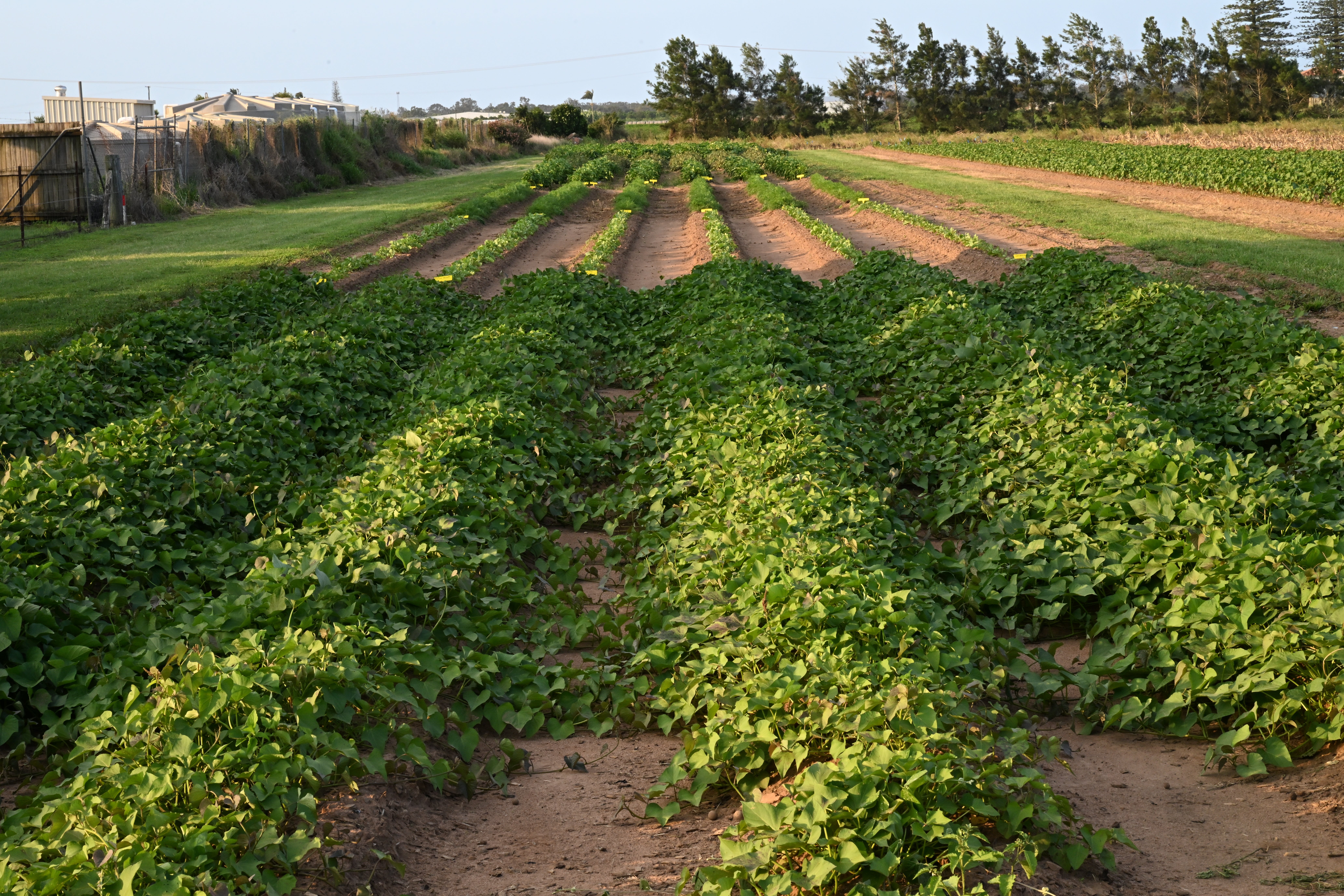
Trials have been conducted across a wide range of vegetable production regions including Bundaberg, south-east Queensland, South Australia, Tasmania, Western Australia and Victoria.
Researchers deliberately selected sites where root-knot nematodes are known to cause major production challenges.
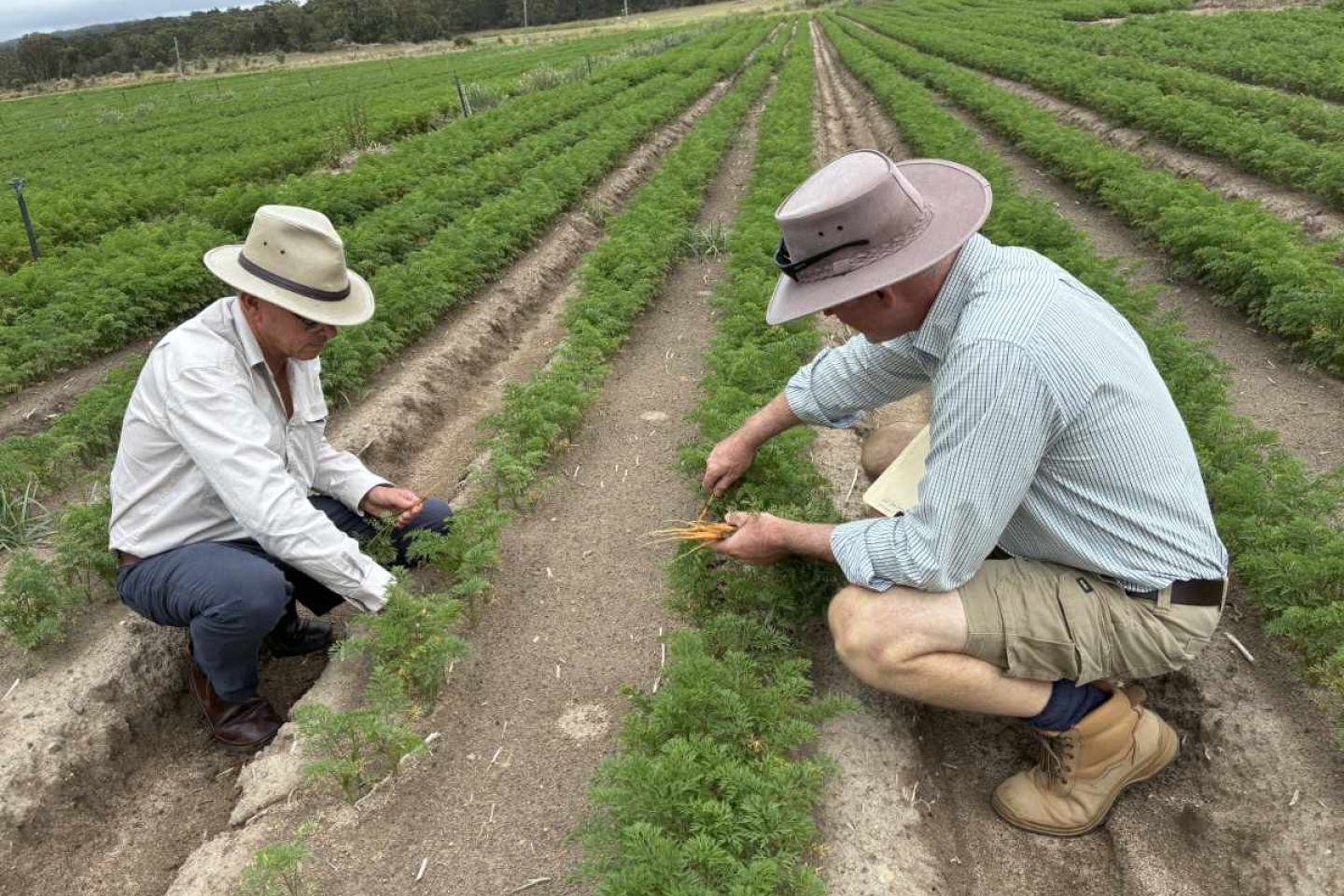
The work has focused on crops that are particularly susceptible to nematode damage, including sweet potato, carrots, capsicum, tomato, pumpkin and cucumber.
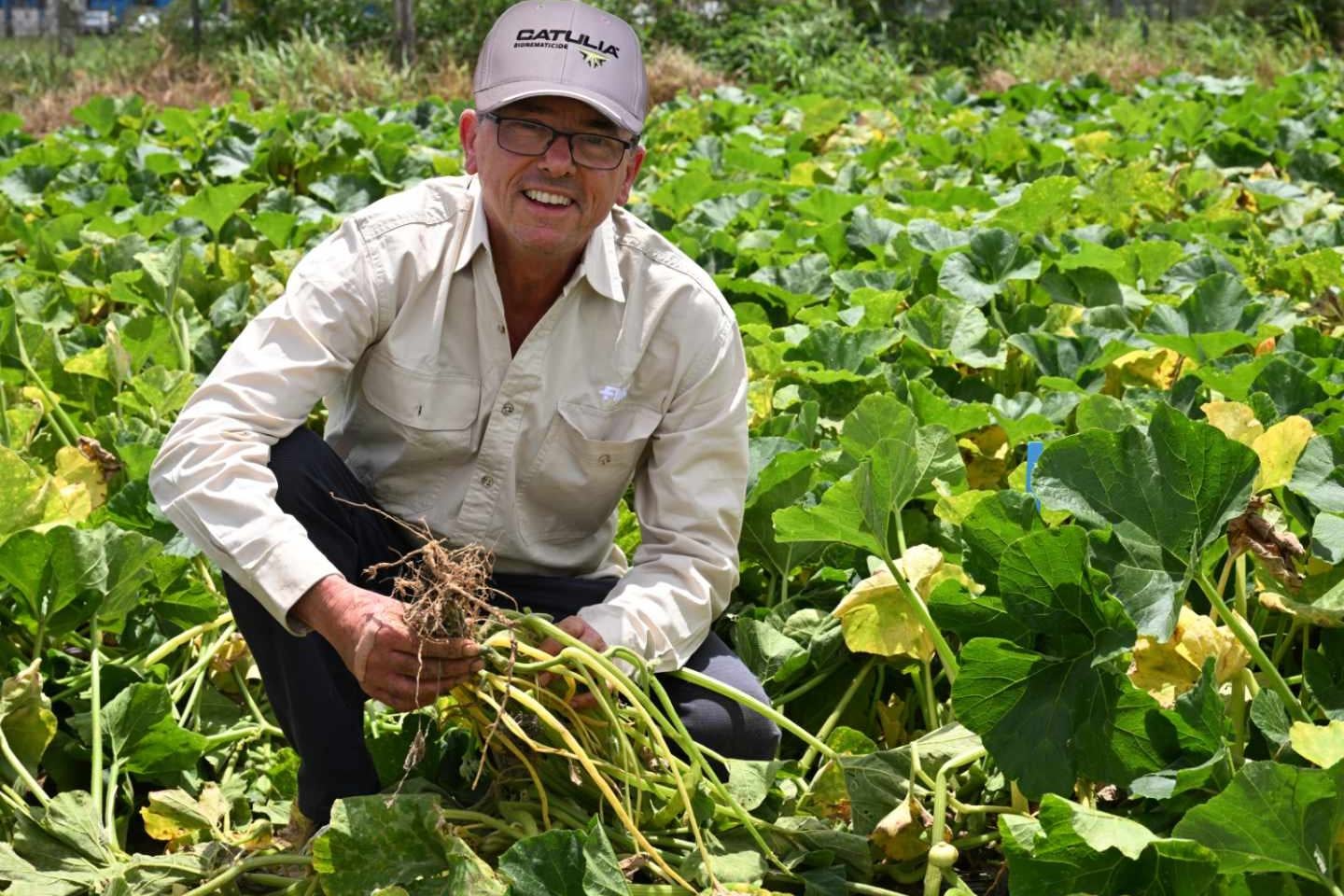
Root-knot nematodes are microscopic roundworms that invade developing roots, diverting nutrients away from the crop and forming characteristic galls on the root system.
In root and tuber crops such as carrots and sweet potatoes, these deformities can severely impact marketability. In other crops, the damage reduces plant vigour and overall crop health.
Consistent results across multiple trials
To date, more than 35 trials have been conducted across Australia, testing the biological product under commercial and research farm conditions.
"These trials have looked at the product both on its own and in combination with other nematode management tools," Hugh explains.
"What we've seen so far is that this biological product stands up well against chemical standards and delivers similar levels of nematode control."
In high-pressure trial sites, untreated plots clearly demonstrated the impact nematodes can have on crop performance.
"Even without digging up roots, you can see the reduction in growth and vigour in untreated crops," Hugh says.
Where the biological treatment was applied, researchers typically observed reduced galling symptoms compared with untreated crops, comparable to reductions achieved with chemical nematicides.
Supporting integrated nematode management
Hugh emphasises that nematode management requires a broader integrated approach rather than relying on a single product.
"Growers who have dealt with nematodes for years know there isn’t a silver bullet," he says.
"Crop rotation, genetics and soil health all play a role alongside crop protection tools."
The biological formulation contains two complementary microbial strains, each producing slightly different metabolites and colonising the root zone at different rates.
Research from laboratory and glasshouse studies also suggests the product may stimulate the plant’s natural defence responses, providing an additional layer of protection.
Flexibility for growers
One of the advantages of biological solutions is the flexibility they offer in crop rotations.
"There are no residue concerns and no plant-back restrictions to manage,” Hugh explains.
"That gives growers more options when planning rotations."
For best results, the biological should be applied early in crop establishment, when roots are first developing and most vulnerable to nematode attack.
For transplanted crops, application can occur at planting, while seeded crops may benefit from treatment soon after emergence.
In carrots, for example, trials have shown strong results from two early applications, one within the first two weeks of crop growth and another two to three weeks later.
Application methods can include drip irrigation, irrigation injection, or boom spray followed by watering-in, provided the product reaches the root zone.
A valuable tool in resistance management
As resistance pressure increases in many pest management systems, biological products also play an important role in supporting long-term chemical effectiveness.
"The modes of action in this biological are quite broad", Hugh says.
"That makes it very unlikely for nematodes to develop resistance, which helps support resistance management programs."
With strong early trial results and increasing grower interest, biological tools such as Catulia® are shaping up to be an important addition to integrated nematode management programs for vegetable producers.
Stay tuned for more updates in the Catulia® field trials and journey to registration.