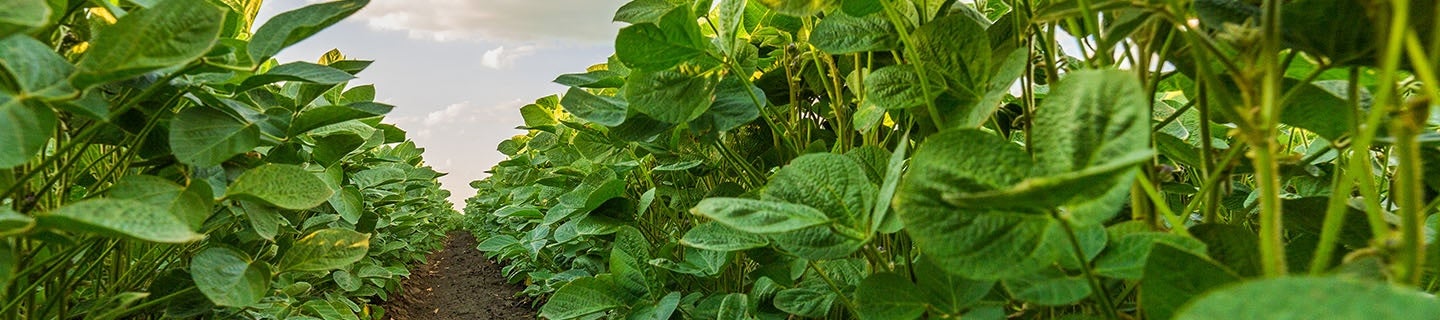
Insect pressure is rarely a simple, one-pest problem for soybean growers. As the season progresses, a single field becomes a hotspot for multiple insect species attacking at the same time across every part of a plant. From defoliating caterpillars high in the canopy to pod-feeding stink bugs below, these pests can quickly turn a promising crop into a disappointment if not managed effectively and on time.
Understanding the dynamics of soybean insect pressure — and choosing the right tools to manage it — can make all the difference when it comes to protecting yield potential and maximizing return on investment.
Defoliators and Pod Feeders: A Dual Threat
Among the most common and economically damaging soybean pests are Lepidopteran insects, such as soybean podworm and soybean loopers. These pests can rapidly strip foliage, reducing a plant’s ability to photosynthesize and, ultimately, limiting pod fill. In heavy infestations, defoliation thresholds can be reached quickly, leaving little room for delayed decision-making.
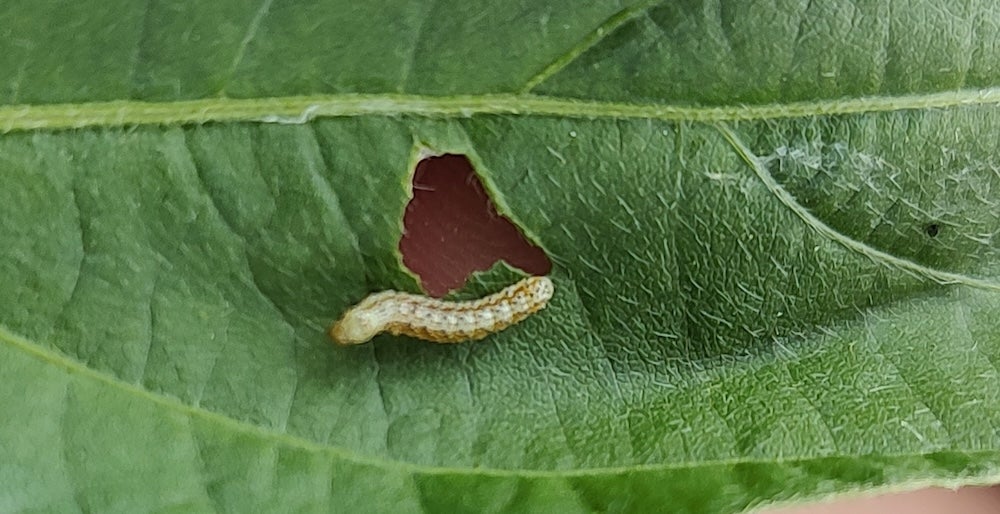
While defoliators attack the plant’s “factory,” stink bugs target the “product.” Pod-feeding stink bugs pierce developing pods and seeds, causing direct yield loss, reducing grain quality and increasing the risk of disease entry. Even moderate populations during reproductive stages can lead to significant economic damage.
Staggered planting systems, including late-planted or double-cropped soybean fields, face an added layer of complexity. These fields often serve as a “magnet” for migrating insect populations. As earlier-maturing fields begin to dry down, insects, like stink bugs, move in in search of greener, more attractive hosts. Late-season soybean fields provide exactly that — lush vegetation and developing pods — making them prime targets for concentrated infestations.
This migration effect can lead to sudden and intense pest pressure that requires a different level of management. Standard approaches may fall short when fields are under continuous influx from surrounding areas. Effective insect pest management today requires a proactive approach that considers pest complexity, crop stage and regional pressures.
A Smarter Approach to Soybean Insect Management
For defoliating Lepidopteran pests, every day of unchecked feeding can mean measurable loss in leaf area and yield potential. For stink bugs, prolonged feeding increases pod and seed damage. Waiting too long — or using a product that acts too slowly — can result in yield losses that cannot be recovered. Fast-acting control helps growers stop feeding damage quickly before economic losses escalate.
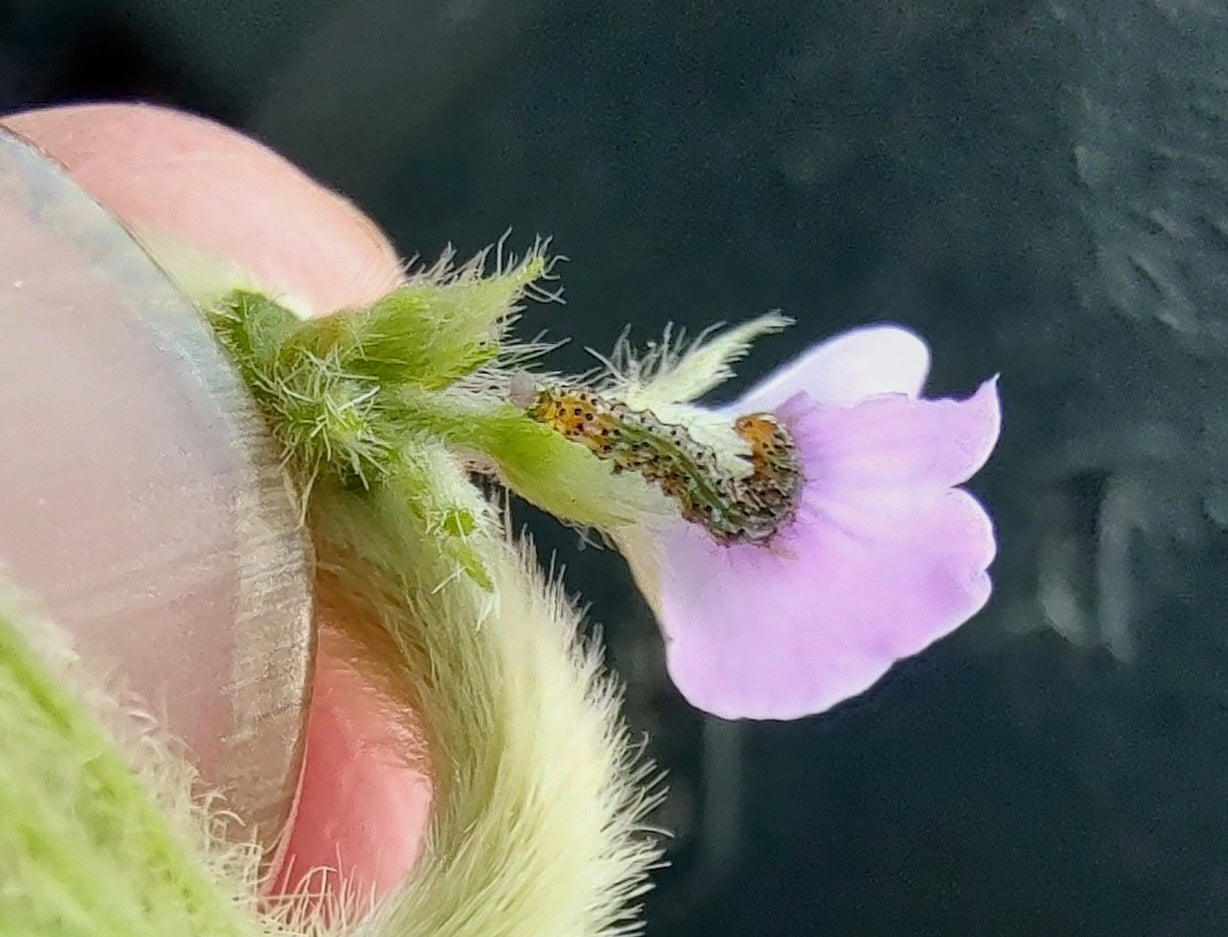
Additionally, these pests often arrive at the worst time during key reproductive stages when yield is being determined: mid- to late season. The plant’s ability to maximize photosynthesis and growth during this time directly impacts pod retention and seed size.
But stopping insects quickly is only half the battle.
While quick knockdown is essential, it’s only part of the solution, especially in high-pressure environments. With continued insect migration from nearby fields, a one-time knockdown without residual activity can leave soybeans vulnerable to reinfestation within days. This often leads to additional applications, increased input costs and added management pressure.
Long-lasting residual control helps bridge that gap by continuing to protect the crop after the initial application, reducing the need for repeat applications and lowering overall management costs for more consistent protection during critical growth stages.
Elevest® insect control is designed to meet these challenges head-on. Delivering fast knockdown, long-lasting residual control and broad-spectrum activity, Elevest insect control helps growers manage the worm complex and other key insects, like stink bugs and plant bugs, in a single application.
Elevest insect control combines the industry-leading Lepidopteran active, Rynaxypyr® active, with the fast knockdown and broad-spectrum effectiveness of bifenthrin. Its rapid activity controls damaging pests like corn earworms and soybean loopers quickly, stopping defoliation before it can significantly impact yield. At the same time, its residual performance continues protecting incoming insect populations: An important advantage in areas with heavy migration pressure.
Elevest insect control provides the right active ingredient ratio growers need to manage multiple pests.
Protecting Yield and Maximizing ROI
In today’s environment of complex, overlapping insect pressure, it takes a solution that delivers both immediate and lasting control to help ensure every application counts.
By reducing feeding damage quickly and maintaining protection over time, Elevest insect control helps growers stay ahead of insect pressure and populations. This not only preserves yield potential but also simplifies management during critical windows of the growing season.
With Elevest insect control, growers can approach insect management with confidence, knowing they have the tools to protect every bushel they’ve worked hard to produce.
To learn more, visit your FMC retailer or Elevest.AG.FMC.COM.
Elevest Insect Control is a Restricted Use Pesticide. Always read and follow all label directions, precautions and restrictions for use. Some products may not be registered for sale or use in all states. FMC, the FMC logo, Elevest and Rynaxypyr are trademarks of FMC Corporation or an affiliate. ©2026 FMC Corporation. All rights reserved. 26-FMC-0775 03/26