
Broadleaves
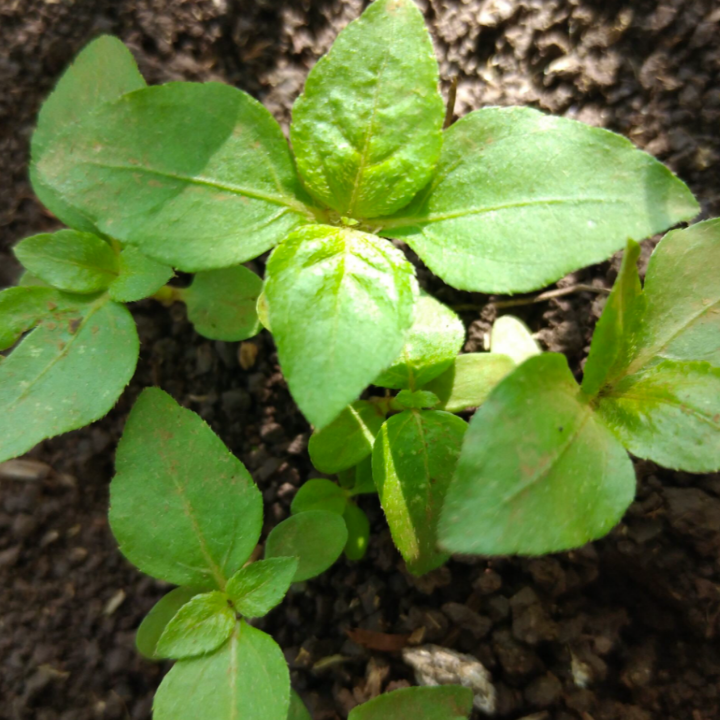
Broadleaf weeds are dicots with paired cotyledons (two seed leaves that usually appear during germination) and are characterized by their broad leaves with a network of veins.
• Leaves are fully expanded with netted veins
• Leaves, flowers, stems, and branches are broadly arranged in various shapes, colors, and structures
Select the crop in the filter to see recommended FMC product.
What are the symptoms
Broadleaf weeds in the Philippines include the following:
1. Monochoria vaginalis - gabi-gabihan, gabing-uwak, kalabuwa
2. Sphenochlea zeylanica - dilang butiki, silisilihan
3. Ludwigia octovalvis - balakpak, malapako
4. Eclipta prostrata - higis-manok
5. Ageratum conyzoides - baho-baho, bulak-manok, damong pallas
6. Amaranthus spinosus - Spiny amaranth, kulitis, bayambang, uray
7. Commelina benghalensis - dayflower, Kulkulasi, alikbangon
8. Synedrella nodiflora - nodeweed, tuhod-manok, kalintuhod
Impact to the crop
Weeds are considered as one of the limiting factors in crop production as it:
√ Compete with crops: Nutrients, Water, Space, Sunlight (Yield reduction)
√ Increase cost of cultivation
√ Reduce crop quality and contaminate produce
√ Interfere with harvesting
√ Serve as an alternate host for pests & diseases
√ Allelopathy; production of chemicals toxic to crop plants, animals, or humans
How to control
√ Mechanical control thru cultivation, uprooting and burying of weeds using mechanical tools
√ Physical control thru hand weeding
√ Cultural methods by thorough land preparation, appropriate plant spacing and good water management
√ Chemical control by the use of herbicides