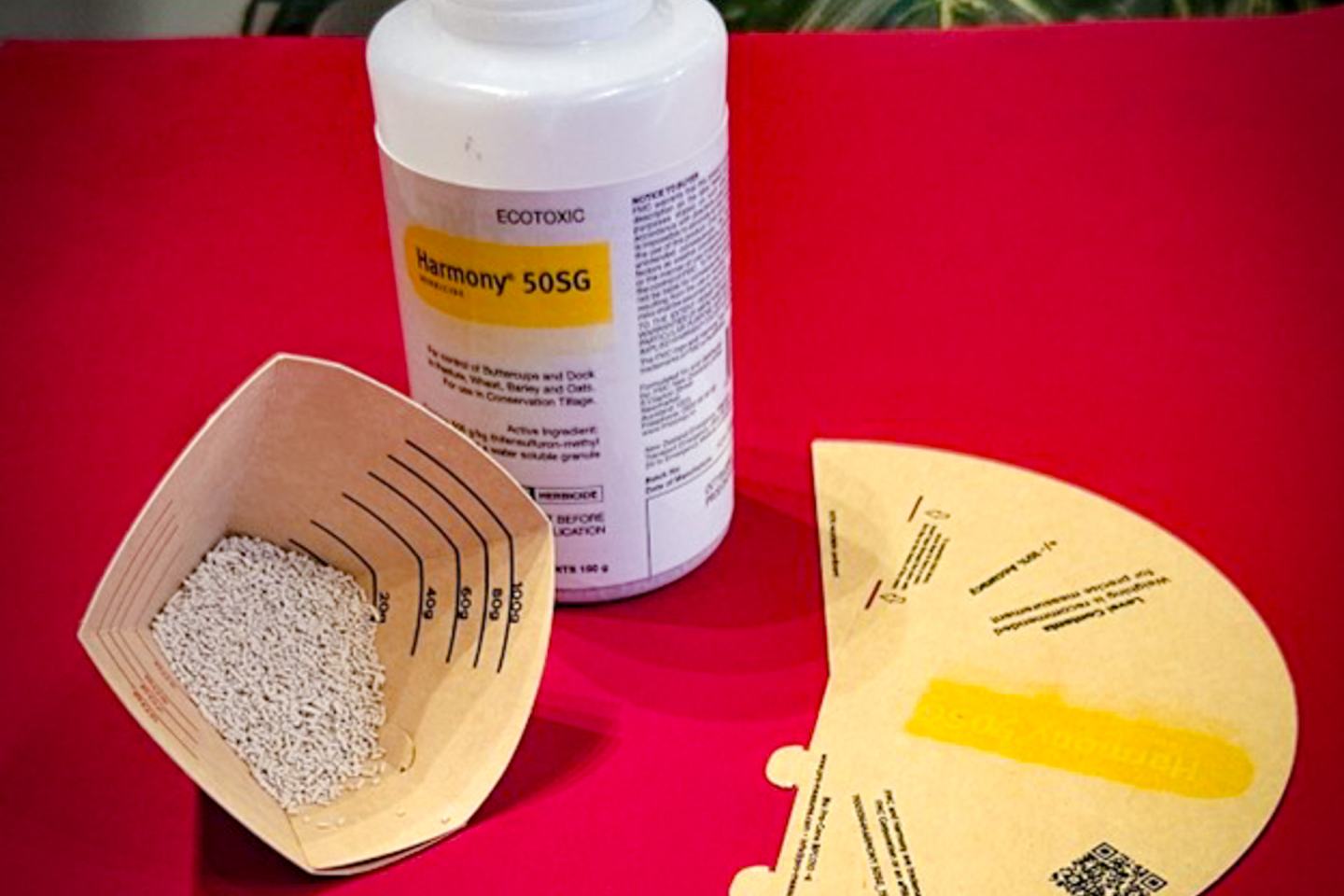
Pasture health is the backbone of profitable Kiwi livestock systems, yet persistent weeds like docks and buttercups can undermine productivity and animal performance. These species compete aggressively for light, nutrients, and moisture, reducing the quality and density of desirable forage species. Left unchecked, they can quickly dominate, leading to reduced carrying capacity and increased feed costs.
WHY DOCK AND BUTTERCUP THRIVE
Both docks and buttercups are opportunistic. They exploit gaps in pasture swards, often  caused by overgrazing, soil compaction, or nutrient imbalances. Docks, with their deep taproots, are particularly resilient in compacted soils, while buttercups flourish in poorly drained or acidic conditions. Their persistence means that cultural control alone, such as grazing management or soil correction, may not be enough.
THE CASE FOR SELECTIVE CONTROL
Effective weed management in pasture is less about eradication, it’s about balance. Selective herbicides play a role in restoring that balance by targeting problem weeds without compromising the underlying pasture species. The key is timing: treatments are most effective when weeds are actively growing and before they set seed. For many regions, this means spring applications when pasture growth is vigorous and competitive.
INTEGRATED PASTURE MANAGEMENT
Chemical control should never be a standalone solution. It works best as part of an integrated strategy that includes:
-
Soil health improvement: Correct pH and nutrient deficiencies to discourage buttercup dominance.
-
Grazing management: Avoid overgrazing to maintain a dense sward that suppresses weed germination.
-
Pasture renovation: Overseeding or regrassing after control to fill gaps and prevent reinfestation.
LOOKING BEYOND THE SPRAY
The ultimate goal is sustainable pasture productivity. By combining selective control with products such as Harmony® and good agronomy, farmers can reduce reliance on repeated chemical inputs, improve pasture resilience, and support long-term profitability.
Always read and follow label directions. FMC and Harmony are trademarks of FMC Corporation or an affiliate.